6. Narrow or Ribbon-like Stools
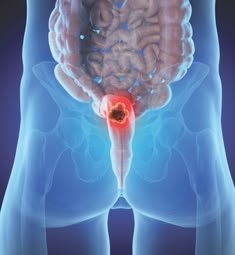
Narrow or ribbon-like stools can indicate a narrowing of the colon or rectum caused by a tumor obstructing the passageway. This change in stool shape is often subtle at first but becomes more pronounced as the tumor grows.
Such stool changes may be accompanied by a sensation of incomplete evacuation or straining during bowel movements. It is essential to differentiate this from occasional stool variations caused by diet or dehydration.
If you notice persistent narrowing of stools, particularly when coupled with other symptoms like rectal bleeding, you should seek medical evaluation promptly. A colonoscopy is the preferred diagnostic tool to visualize and biopsy any suspicious areas.
7. Anemia
Anemia, especially iron deficiency anemia, is a common but often overlooked sign of colorectal cancer. Chronic blood loss from the tumor can deplete the body’s iron stores, leading to anemia symptoms such as pallor, shortness of breath, dizziness, and rapid heartbeat.
Routine blood tests such as a complete blood count (CBC) can detect anemia. In adults over 50 or those with risk factors, unexplained iron deficiency anemia should trigger a thorough evaluation for gastrointestinal bleeding, including colonoscopy.
Early detection of anemia related to colorectal cancer allows timely intervention, improving patient outcomes and reducing complications.
8. A Feeling of Incomplete Evacuation
Many patients with rectal tumors experience a persistent sensation of incomplete bowel evacuation, even after a bowel movement. This symptom arises because the tumor can create a physical barrier or interfere with rectal sensation and muscle function.
Patients may feel the urge to strain or return to the bathroom multiple times without relief. Though this sensation can mimic conditions like hemorrhoids or rectal prolapse, it should be taken seriously when persistent or worsening over time.
A thorough examination including digital rectal exam and endoscopic studies can help identify the cause. Diagnosing cancer early while it is still localized improves treatment options and effectiveness.