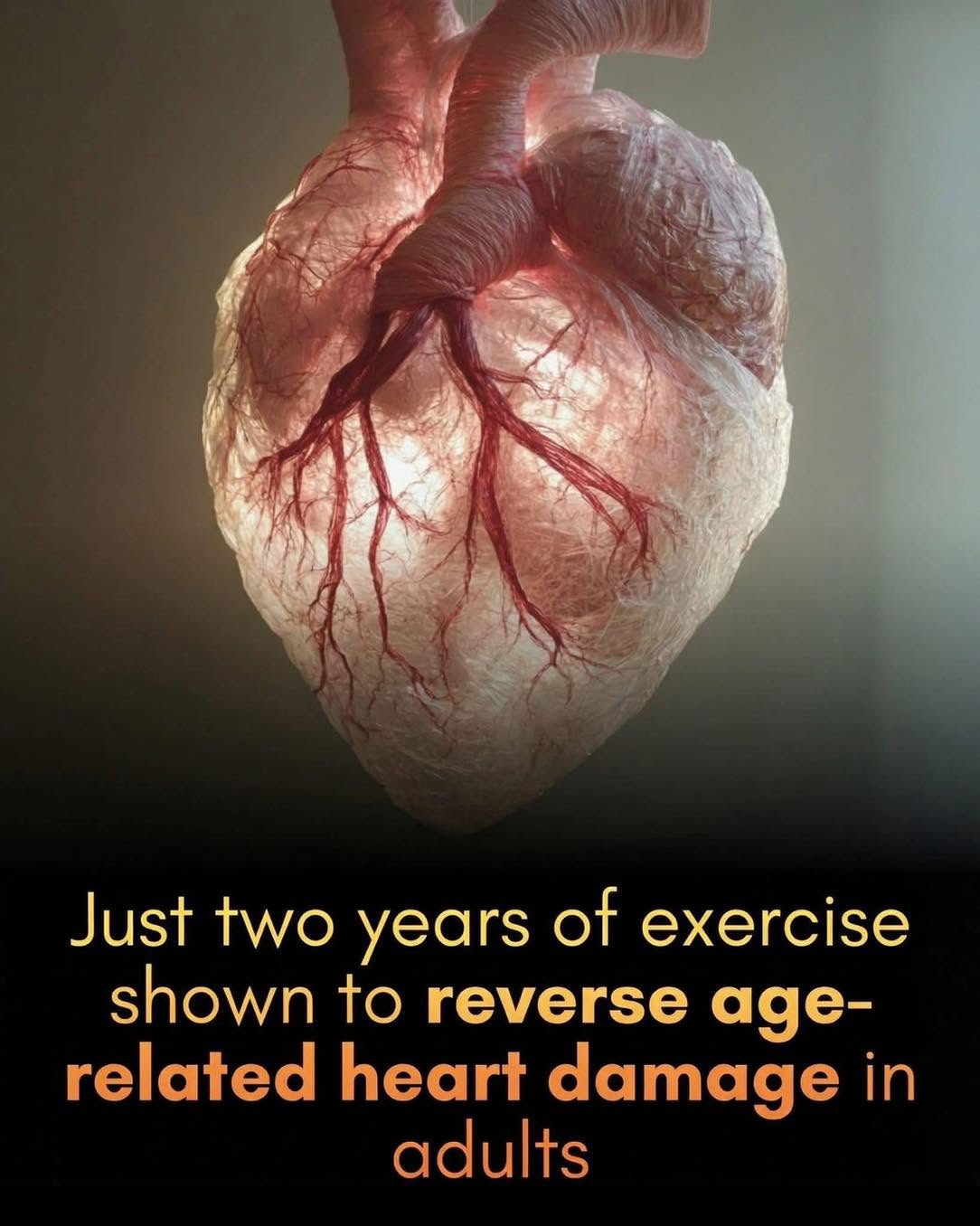
1. Exercise intensity and types
The study highlights that the most effective heart recovery occurs through a combination of moderate-intensity aerobic exercise, high-intensity interval training (HIIT), and strength training. Moderate-intensity exercise raises the heart rate to about 50-70% of its maximum and includes activities like brisk walking, cycling, or swimming. HIIT involves short bursts of vigorous activity alternating with periods of rest or low-intensity movement, pushing the cardiovascular system to adapt rapidly.
Strength training complements aerobic work by improving muscle mass and metabolic health, which indirectly supports cardiac function. This combined approach triggers beneficial cardiac remodeling, improving both heart muscle strength and elasticity. Programs excluding either HIIT or resistance elements tend to produce less cardiac improvement.
- Moderate-intensity aerobic activities (e.g., brisk walking, cycling)
- High-intensity interval training (e.g., sprint intervals, cycling sprints)
- Strength training targeting major muscle groups (e.g., weight lifting, resistance bands)
To maximize heart recovery, adults should integrate these exercise types into a balanced weekly routine rather than relying on a single exercise form.
2. Age limit for heart recovery
The research clearly identifies a critical window for reversing age-related heart damage: starting an active lifestyle before the age of 65. The heart’s plasticity—the ability to adapt and repair itself—diminishes significantly after this age, making it harder to reverse the stiffening of the left ventricle. This stiffening reduces the heart’s efficiency in pumping blood, a common feature in sedentary aging.
While exercise remains beneficial beyond 65 for overall health, its ability to restore cardiac elasticity and function is most pronounced in middle-aged adults. For those nearing or past this age threshold, early screening for heart health and tailored exercise prescriptions become crucial.
In practice, this means that incorporating regular, structured exercise routines during middle age is an investment in long-term cardiovascular health and can prevent progression toward heart failure later in life.