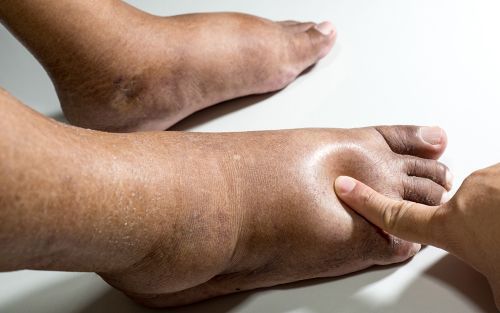
3. Liver disease
Liver disease, particularly cirrhosis, can cause significant swelling in the feet and legs. The liver plays a vital role in producing proteins like albumin, which help maintain fluid balance in blood vessels. When liver function declines, low albumin levels allow fluid to leak into surrounding tissues.
Additionally, portal hypertension—raised blood pressure in the veins that supply the liver—can worsen fluid retention in the lower limbs and abdomen (ascites).
Signs accompanying liver-related swelling include jaundice (yellowing of the skin and eyes), abdominal bloating, fatigue, and easy bruising.
- Swelling that is often accompanied by abdominal distention
- Yellowish skin or eyes
- Dark urine and pale stools
- Confusion or cognitive changes in advanced cases (hepatic encephalopathy)
Liver function tests, imaging studies, and liver biopsy help diagnose disease severity. Treatment focuses on managing the underlying cause, such as viral hepatitis or alcohol-related damage, and may require specialist care.
4. Venous insufficiency
Chronic venous insufficiency is a common vascular cause of swollen feet. It occurs when the valves in leg veins fail to prevent blood from flowing backward, leading to pooling and increased pressure that forces fluid into the tissues.
Symptoms often include aching, heaviness, varicose veins, and skin changes like discoloration or ulceration.
- Swelling that worsens with prolonged standing or sitting
- Visible varicose veins or spider veins
- Skin thickening or discoloration around the ankles
- Open sores or ulcers in severe cases
Diagnosis involves a physical exam and duplex ultrasound to assess blood flow. Treatment options include compression stockings, leg elevation, exercise, and in some cases, minimally invasive procedures to repair or remove damaged veins.
5. Lymphatic blockage
Lymphedema results from impaired lymphatic drainage, causing localized swelling. This can be due to congenital abnormalities, infections, cancer treatments (like lymph node removal), or trauma.
The swelling is often firm and may feel heavy or tight. Unlike venous edema, lymphedema swelling may not improve much with leg elevation.
- Persistent swelling usually starting in one limb
- Skin thickening and fibrosis
- Recurring infections like cellulitis
- Limited range of motion
Diagnosis is clinical and may be supported by lymphoscintigraphy. Management includes specialized compression therapy, meticulous skin care, and physical therapy to stimulate lymph flow.