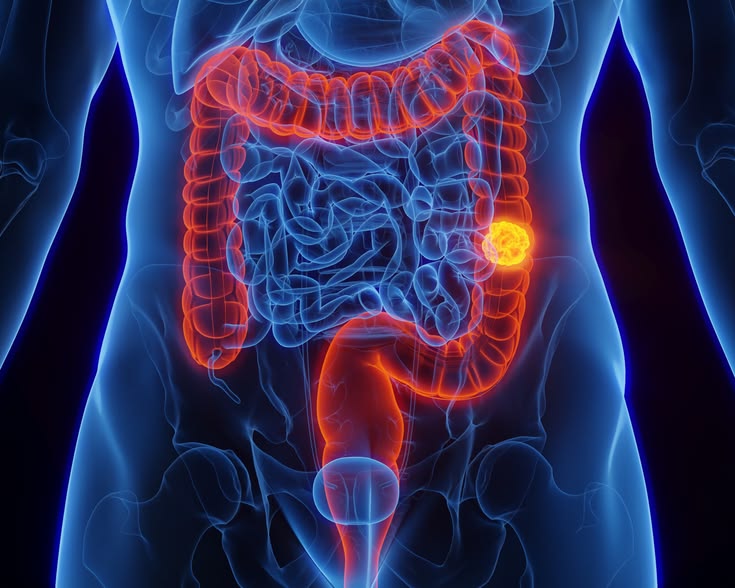
Recognize These Early Warning Signs of Colon Cancer Before It’s Too Late
Emergency note: If you experience severe abdominal pain, sudden blood loss, or significant weakness, seek medical help immediately.
Colon cancer is one of the most common cancers, but what many don’t realize is that early symptoms can be subtle and easily mistaken for less serious issues. Catching colon cancer early dramatically improves treatment outcomes and survival rates.
How to Decide If Your Symptoms Need Urgent Attention
The key to early detection lies in distinguishing normal digestive issues from potential cancer warning signs. Ask yourself these questions:
- Have your bowel habits changed significantly or persistently?
- Is there blood in your stool or toilet after using the bathroom?
- Are you experiencing unexplained weight loss or fatigue?
If you answer yes to any of these, do not delay seeing a healthcare professional for evaluation.
Check Your Medicine Cabinet and Health History
Some medications and existing health conditions can mask or mimic colon cancer symptoms. For example, iron supplements may hide anemia caused by internal bleeding, while anti-inflammatory drugs can cause gastrointestinal irritation that looks like cancer symptoms.
Also, consider your family history—having close relatives with colon cancer increases your risk and may warrant earlier screening.
Why Early Symptoms Often Get Missed
Many early symptoms of colon cancer overlap with common conditions like hemorrhoids, irritable bowel syndrome, or infections. Symptoms such as mild abdominal cramps or occasional changes in stool consistency are often ignored until they worsen.
Understanding which symptoms are red flags that require prompt medical attention can save lives.
What Does Early Detection Entail?
Colon cancer screening methods include colonoscopy, stool tests for blood or DNA markers, and imaging scans. The cost of a colonoscopy varies widely but is a key investment in health, often covered by insurance for people over 45 or with risk factors.
Regular screenings can identify precancerous polyps before they turn malignant, preventing cancer altogether.
Here are the 10 early signs of colon cancer. Number 2 is the one most people ignore — and it can cost crucial time if missed.