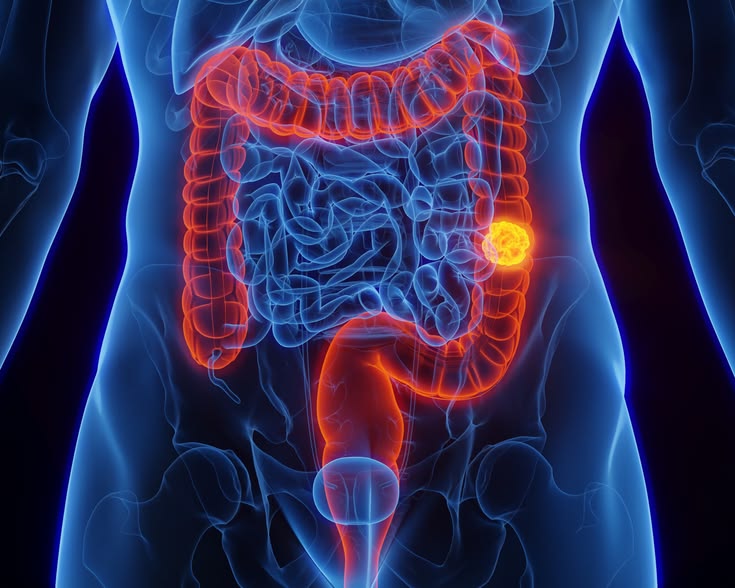
1. Change in Bowel Habits
One of the earliest and most common signs of colon cancer involves a noticeable change in bowel habits. This can include diarrhea, constipation, or a shift in the consistency and frequency of stools that lasts for more than a few weeks. Such changes occur because a growing tumor in the colon can partially block the passageway, disrupting normal bowel movements.
Patients might experience alternating bouts of diarrhea and constipation or notice that their stools are unusually loose or hard. Even subtle deviations from your usual bowel pattern should be monitored carefully, especially if they persist.
It’s important to distinguish these changes from temporary bowel disturbances caused by diet, infections, or stress. Persistent alteration over several weeks, especially when accompanied by other symptoms, warrants medical evaluation.
- Monitor frequency and consistency of bowel movements.
- Note any new onset of diarrhea or constipation lasting more than two weeks.
- Keep track of any associated symptoms like blood or mucus in stool.
2. Blood in Stool
Visible blood in the stool is a red flag symptom that often prompts patients to seek medical care. In colon cancer, bleeding occurs when tumors ulcerate or erode blood vessels in the intestinal lining. The blood may appear bright red or dark, almost black, depending on the location of the tumor within the colon.
Occult (hidden) blood not visible to the naked eye can also be present and is detectable through fecal occult blood testing (FOBT) or fecal immunochemical tests (FIT). These screening tests are crucial for early detection, especially in individuals over 50 or those with increased risk.
It’s important to note that blood in stool can also be caused by benign conditions like hemorrhoids or anal fissures. However, any unexplained rectal bleeding should be promptly evaluated to rule out colorectal cancer or other serious conditions.
- Bright red blood typically indicates lower colon or rectal bleeding.
- Dark, tarry stools suggest bleeding higher in the colon.
- Routine screening tests can detect occult blood before symptoms arise.