6. Narrow Stools
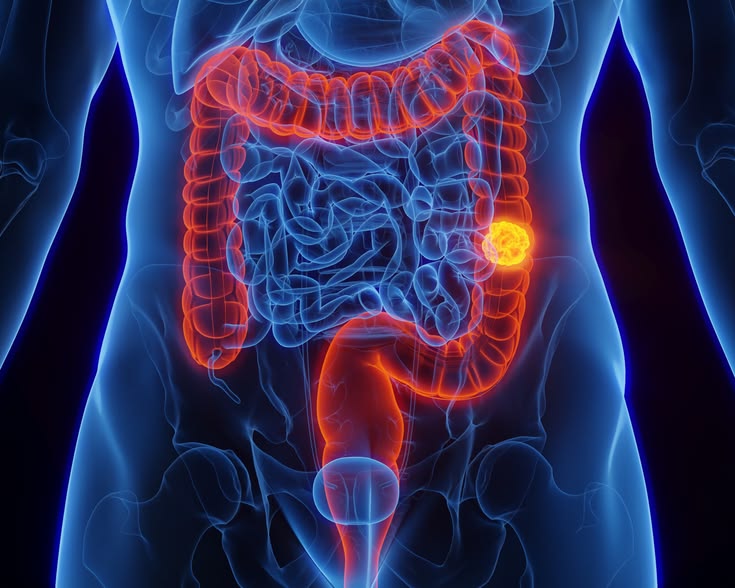
Changes in stool caliber, specifically the appearance of narrow or pencil-thin stools, can indicate the presence of a tumor narrowing the colon’s passageway. This occurs when growth inside the colon restricts the diameter through which stool passes.
While occasional variations in stool shape can be normal, a consistent change toward thinner stools over weeks or months should raise suspicion. This symptom is particularly important because it can occur even before other more obvious signs like bleeding.
7. Feeling of Incomplete Evacuation
Many patients with colon cancer report a persistent sensation that they have not fully emptied their bowels after a bowel movement. This feeling, known as tenesmus, often results from tumors located near the rectum or lower colon, causing irritation or obstruction.
Tenesmus can cause discomfort and frequent urges to defecate, even when the bowel is empty. It is a symptom that overlaps with other conditions like hemorrhoids or inflammatory bowel disease, so medical evaluation is necessary to determine the cause.
8. Iron Deficiency Anemia
Iron deficiency anemia is a significant clinical clue that can point to slow, chronic blood loss from a colon tumor. When bleeding in the colon is not overt, it can gradually deplete iron stores, leading to anemia symptoms such as fatigue, pallor, and shortness of breath.
Routine blood tests, including a complete blood count (CBC) and iron studies, can detect anemia early. In adults, especially those over 50, unexplained iron deficiency anemia should prompt colonoscopy to rule out colorectal cancer or other sources of bleeding.
- Look for symptoms like fatigue and pale skin.
- Blood tests can identify anemia before symptoms appear.
- Prompt colonoscopy may be recommended if anemia is unexplained.