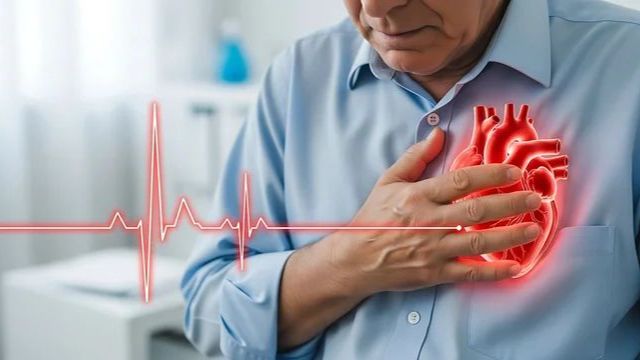
1. Chest pain or discomfort
Chest pain is the classic hallmark of a heart attack, but it can present in many forms beyond just sharp pain. Often described as pressure, squeezing, fullness, or a heavy weight pressing on the chest, this discomfort may last for several minutes or come and go. It typically occurs in the center or left side of the chest and can radiate to other areas like the arms, neck, jaw, or back.
This symptom arises because a blockage in the coronary arteries reduces blood flow to the heart muscle, causing ischemia and triggering nerve pain signals. It’s crucial to recognize that chest pain during a heart attack is different from typical indigestion or muscle strain due to its intensity and persistence.
If you or someone else experiences chest pain with the characteristics described, it is vital to act fast. Emergency medical care, including tests like an electrocardiogram (ECG) and blood markers for cardiac injury, can confirm the diagnosis and guide urgent treatment.
- Pressure or tightness in the chest lasting more than a few minutes
- Pain spreading to arms, back, neck, jaw, or stomach
- Not relieved by rest or nitroglycerin if prescribed
2. Shortness of breath
Shortness of breath, or dyspnea, can accompany a heart attack either alongside chest pain or as the primary symptom, especially in women, older adults, and people with diabetes. It occurs because the heart’s reduced pumping capacity impairs oxygen delivery to the body, causing fluid to back up into the lungs or triggering a sensation of breathlessness.
This symptom may feel like you can’t catch your breath, are breathing rapidly, or have difficulty taking a deep breath. It may occur even at rest or with minimal exertion, such as walking across a room.
Shortness of breath during a heart attack warrants immediate medical evaluation, particularly when combined with other warning signs. Diagnostic tests such as chest X-rays and echocardiograms can assess lung congestion and heart function, helping clinicians decide on treatments like oxygen therapy or medications to improve cardiac output.
- Sudden difficulty breathing without an obvious cause
- Rapid, shallow breaths or feeling unable to take a full breath
- Accompanied by chest discomfort, sweating, or faintness