9. Rapid or irregular heartbeat
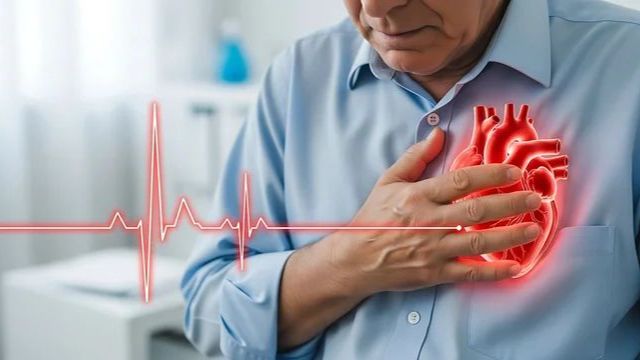
During a heart attack, damaged heart muscle or disrupted electrical signals can cause arrhythmias — rapid, irregular, or pounding heartbeats. This sensation, called palpitations, may feel like the heart is fluttering, racing, or skipping beats.
Arrhythmias can worsen the heart’s pumping ability and increase the risk of sudden cardiac arrest, making this a critical symptom. If experienced with other heart attack signs, immediate emergency care is essential.
10. Anxiety or impending doom
Many people describe a sudden overwhelming feeling of anxiety, nervousness, or a sense that something terrible is about to happen during a heart attack. This emotional response is caused by the body’s stress reaction to the heart’s distress.
Though anxiety can have many causes, when it occurs with physical symptoms like chest pain or shortness of breath, it should never be ignored.
When to See a Doctor
If you experience any of the above symptoms, especially chest pain or shortness of breath, seek emergency medical care immediately. Calling emergency services rather than driving yourself can save precious time and allow for faster treatment.
Early intervention with procedures such as coronary angiography, thrombolytic therapy, or percutaneous coronary intervention (PCI) significantly improves outcomes by restoring blood flow to the heart.
Even if symptoms are mild or atypical, prompt evaluation by a healthcare professional is critical. Testing may include an ECG, blood tests for cardiac enzymes, chest imaging, and continuous monitoring to rule out or confirm a heart attack.
Conclusion
Recognizing heart attack signs early can save lives and reduce heart damage. While chest pain remains the most well-known symptom, many others like shortness of breath, jaw pain, nausea, and irregular heartbeat are equally important to identify. If in doubt, err on the side of caution and seek emergency help immediately.
Your heart health is too important to ignore warning signs—timely action can make all the difference.
Disclaimer: This article is for informational purposes only and does not replace professional medical advice. Always consult a healthcare provider for diagnosis and treatment.