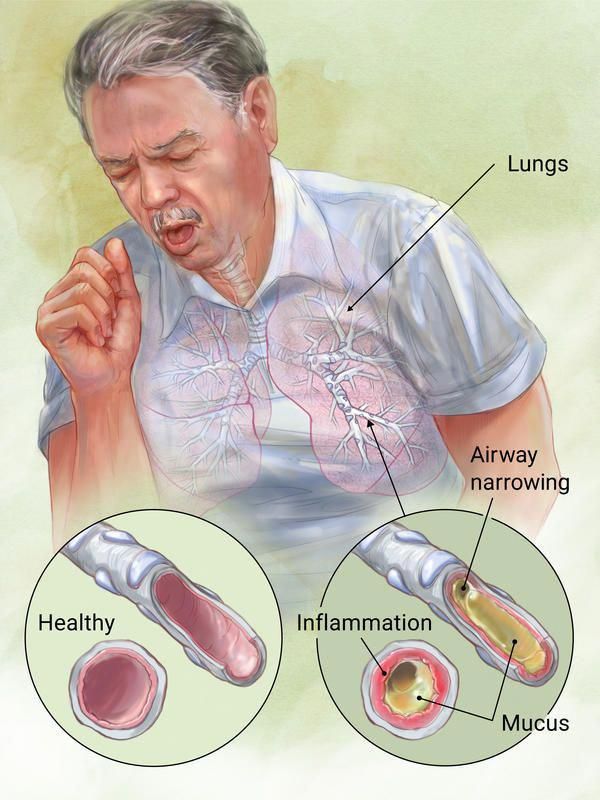
When Airway Narrowing Becomes a Medical Priority
If you experience sudden or severe difficulty breathing, chest pain, or blue lips or face, seek emergency medical help immediately. These signs can indicate a serious airway obstruction or lung condition requiring urgent care.
Understanding Airway Narrowing and Its Risks
Airway narrowing, often caused by inflammation and excess mucus, reduces the airflow to your lungs. This condition can rapidly escalate from mild discomfort to life-threatening breathing difficulties if left untreated.
Many people confuse occasional coughing or mild breathlessness with simple colds or aging, but these symptoms can signal early airway inflammation. Recognizing the difference can save you from costly emergency care or hospitalization.
How to Self-Assess Your Breathing
Ask yourself these key questions:
- Do you often feel short of breath during routine activities?
- Is your cough persistent and producing mucus?
- Do you notice wheezing or a tight feeling in your chest?
- Are symptoms worse at certain times or around specific triggers?
If you answered yes to any of these, it’s time to consult your healthcare provider for a thorough lung evaluation.
Check Your Medicine Cabinet
Some common medications can worsen airway inflammation or cause side effects mimicking airway narrowing. Bronchodilators, corticosteroids, and allergy drugs often help, but incorrect use or interaction with other medications may lead to increased symptoms.
Review your current medications with your doctor or pharmacist, especially if you notice new or worsening respiratory symptoms after starting a new drug.
The Financial and Health Stakes
Untreated airway narrowing can lead to repeated doctor visits, costly emergency room care, and hospital stays. Early diagnosis and management reduce these expenses and improve quality of life.
Typical costs for hospital admissions due to severe airway diseases can run into thousands of dollars, not including lost workdays and ongoing medication expenses.
When to Act
Persistent or worsening symptoms lasting more than a week should never be ignored. Early interventions such as pulmonary function tests, imaging, and medication adjustments can prevent progression to chronic lung disease.
Always seek professional advice rather than self-medicating or delaying care.
Here are the 10 most important signs and factors of airway narrowing. Number 5 is the one most people overlook—yet it signals a serious shift in your lung health.