9. Lymph node swelling
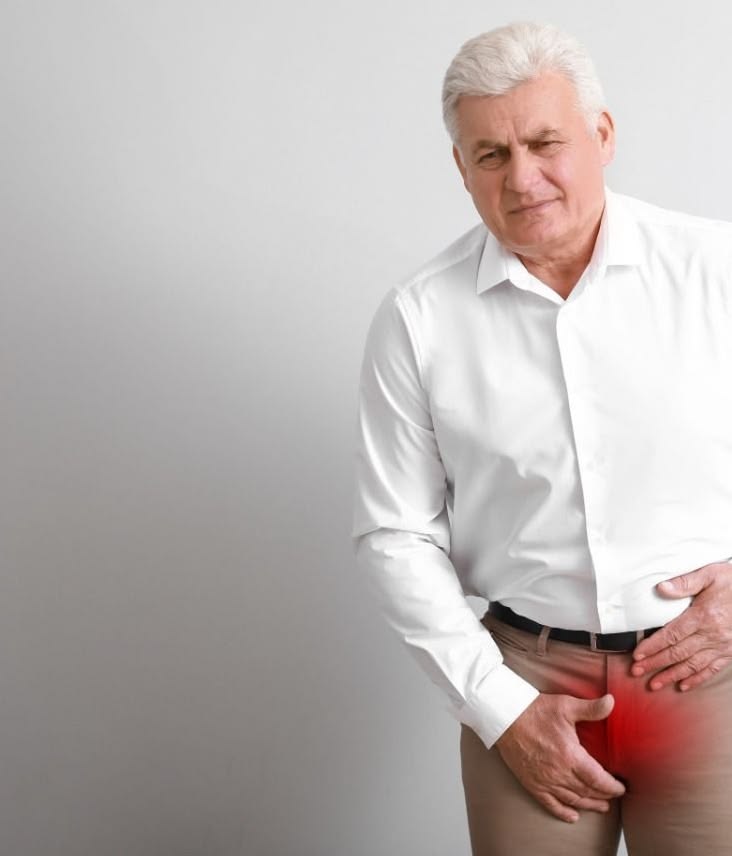
Swollen lymph nodes in the groin, or inguinal lymphadenopathy, often occur due to infections, inflammation, or, less commonly, malignancies. They present as tender or painless lumps under the skin in the groin region.
Common causes include sexually transmitted infections, skin infections of the legs or feet, or systemic illnesses. Persistent or progressively enlarging nodes require further evaluation, including blood tests and possibly biopsy, to rule out cancer or lymphoma.
Early diagnosis can facilitate targeted treatment, preventing complications and reducing healthcare costs.
10. Medication side effects
Certain medications can cause groin pain as a side effect, either through muscle toxicity, nerve irritation, or vascular changes. Statins, used for cholesterol management, are known to cause muscle pain or weakness, which can localize to the groin and thighs.
Other drugs, such as some antivirals or chemotherapy agents, may induce neuropathy or inflammation affecting the groin area. It’s essential to discuss any new or worsening groin pain with the prescribing physician before making changes to medication.
Adjusting drug regimens under medical supervision can alleviate symptoms while maintaining effective treatment of the underlying condition.
When to See a Doctor
If you experience persistent or worsening groin pain, especially accompanied by swelling, a noticeable lump, fever, difficulty urinating, or severe pain, seek medical evaluation promptly. Sudden, intense pain, particularly with testicular swelling, requires emergency care.
Your healthcare provider will perform a thorough history, physical examination, and order appropriate imaging or laboratory tests to pinpoint the cause and guide treatment.
Conclusion
Groin pain in men can stem from a wide range of causes, from common muscle strains to serious conditions like hernias, infections, or vascular problems. Recognizing the specific underlying cause is critical for effective treatment and preventing complications. Do not ignore persistent or severe groin pain—early diagnosis and management improve outcomes and quality of life.
Disclaimer: This article is for informational purposes only and does not substitute professional medical advice. Always consult a healthcare provider for diagnosis and treatment.