9. Sleep patterns
Sleep disturbances are common in thyroid disorders but manifest differently. Hyperthyroidism often causes insomnia, difficulty falling asleep, or frequent nighttime awakenings due to heightened metabolism and nervous system overactivity.
Hypothyroidism usually results in excessive sleepiness and prolonged sleep duration, yet patients may still feel unrefreshed upon waking. Sleep apnea is also more prevalent in hypothyroid patients, contributing to poor sleep quality.
If you experience persistent changes in your sleep patterns, particularly alongside other signs of thyroid dysfunction, a medical evaluation is warranted.
10. Appetite shifts
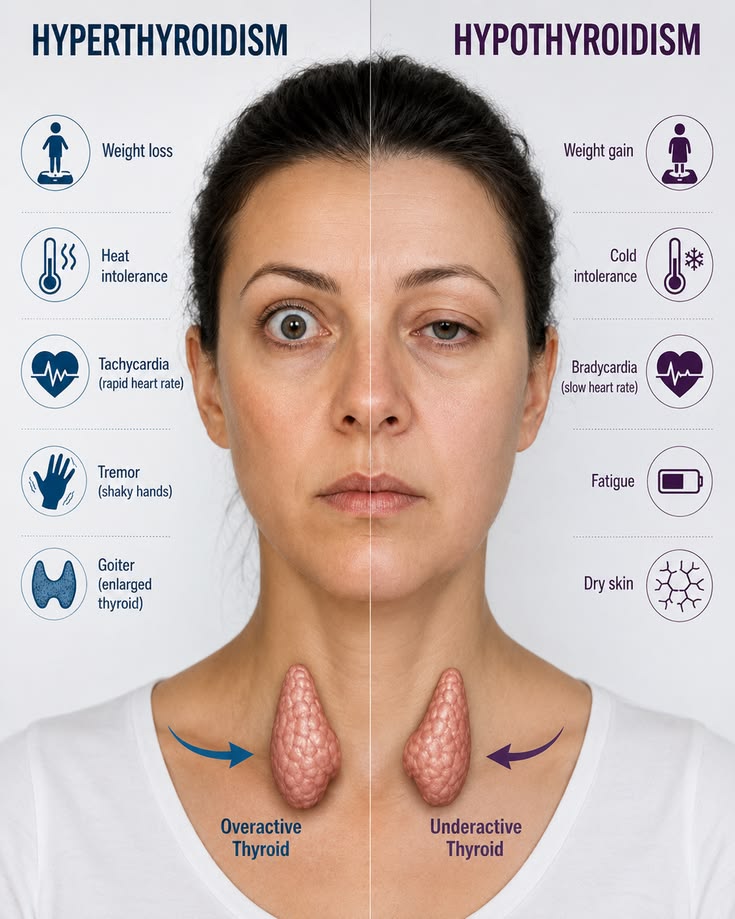
Appetite changes often mirror metabolic rate alterations caused by thyroid disorders. Hyperthyroidism typically causes an increased appetite as the body demands more fuel for its accelerated metabolism. However, despite eating more, weight loss still occurs.
In contrast, hypothyroidism generally reduces appetite, aligning with slowed metabolism. Weight gain in this context is often disproportionate to food intake.
Tracking appetite changes along with weight and energy levels can help clarify if thyroid dysfunction is contributing to symptoms.
When to See a Doctor
If you notice multiple signs from this list persisting for several weeks or worsening over time, it is important to seek medical evaluation. Blood tests measuring thyroid-stimulating hormone (TSH), free thyroxine (T4), and free triiodothyronine (T3) are the standard diagnostic tools. Your healthcare provider may also recommend thyroid ultrasound or antibody testing to identify autoimmune causes.
Early diagnosis and treatment of thyroid disorders can prevent complications such as heart problems, infertility, and severe metabolic disturbances. If you are already on thyroid medication and notice new or worsening symptoms, consult your prescriber before making any changes.
Conclusion
Recognizing the signs of overactive or underactive thyroid can significantly improve timely diagnosis and management. Weight changes, temperature sensitivity, heart rate alterations, and other symptoms often cluster together, providing critical clues. If you experience persistent symptoms affecting your well-being, work with your healthcare professional to evaluate thyroid function and develop an appropriate treatment plan.
This information is for educational purposes and is not a substitute for professional medical advice. Always consult a healthcare provider for diagnosis and treatment decisions.