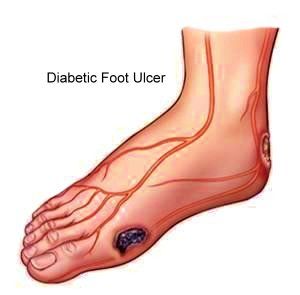
1. Loss of sensation
Loss of sensation, or diabetic neuropathy, is one of the earliest and most critical signs that your diabetes may be putting you at risk for foot ulcers. High blood sugar levels over time can damage the nerves in your feet, reducing your ability to feel pain, temperature changes, or pressure. This means you might not notice small injuries, blisters, or cuts that can quickly worsen without proper care.
In practice, this loss of feeling can manifest as numbness, tingling, or a burning sensation, but often it might feel like your foot is asleep or just “not there.” Because you can’t sense damage, untreated wounds may develop into ulcers, which can become infected or lead to more severe complications.
To protect your feet, it is crucial to perform daily self-checks, even if you feel no pain. Use a mirror or ask for help to inspect all areas of your feet, including between the toes. Wearing properly fitted shoes and avoiding walking barefoot can also help prevent unnoticed injuries.
- Use a monofilament test or vibration test during medical visits to assess nerve function.
- Report any changes in sensation promptly to your healthcare provider.
- Maintain tight blood sugar control to slow nerve damage progression.
2. Skin color changes
Changes in skin color on your feet can signal underlying problems related to diabetes. Pale, bluish, or reddish hues may indicate poor circulation or inflammation, which increase the risk of ulcer formation. Darker patches of skin—known as hyperpigmentation—can also develop around areas of pressure or previous injury.
In some cases, the skin may look shiny or taut, showing signs of swelling or fluid buildup. These color changes suggest that blood flow to the tissues is compromised, making it harder for wounds to heal and increasing the chance of infection.
If you notice any unusual or persistent discoloration on your feet, it is important to consult your doctor for a thorough vascular examination. Early detection of circulation issues can lead to interventions such as medication, specialized footwear, or vascular procedures to improve blood flow.
- Monitor for redness that does not fade with elevation.
- Look for darkened or blackened areas, which may indicate tissue damage.
- Seek medical advice if you observe any sudden or spreading color changes.