3. Swelling and redness
Swelling (edema) and redness around the feet or ankles are warning signs that should never be ignored in people with diabetes. These symptoms can indicate inflammation, infection, or venous insufficiency—all of which increase the likelihood of developing foot ulcers.
Swelling occurs when fluid accumulates in the tissues, often due to poor circulation or lymphatic drainage. This can cause the skin to stretch and crack, creating entry points for bacteria. Redness typically accompanies swelling when there is an active infection or irritation.
Persistent swelling and redness require prompt medical evaluation to determine the cause. Managing these symptoms early can prevent progression to ulceration or more serious infections such as cellulitis or osteomyelitis.
- Elevate your feet regularly to reduce swelling.
- Avoid tight footwear that can worsen circulation.
- Report any warmth, tenderness, or spreading redness to your healthcare provider immediately.
4. Open sores or wounds
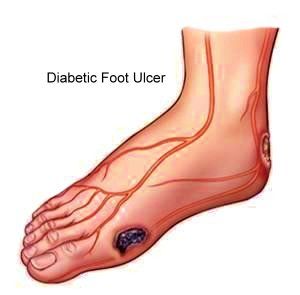
Open sores or wounds on your feet are the most direct indicators that diabetes is affecting your skin integrity and healing capacity. These ulcers can develop from minor injuries that go unnoticed due to loss of sensation or from pressure points caused by ill-fitting shoes or foot deformities.
Diabetic foot ulcers require careful management because they heal more slowly and are prone to infection. Left untreated, they can progress to deep tissue damage, leading to the need for surgical intervention or even amputation.
It is essential to keep any open sore clean and protected. Avoid using over-the-counter treatments without consulting your doctor, as some products may worsen the wound or delay healing. Regular follow-up with a podiatrist or wound care specialist is critical for monitoring and treating these ulcers effectively.
- Inspect your feet daily for any breaks in the skin.
- Use sterile dressings as recommended by your healthcare provider.
- Control blood sugar levels to support wound healing.
5. Thickened skin or calluses
Thickened skin or calluses develop as a response to repeated pressure or friction, common in people with diabetes who have altered foot mechanics or neuropathy. While calluses themselves are not dangerous, they can mask underlying tissue damage or hide small ulcers beneath the hardened skin.
Ignoring calluses increases the risk of skin breakdown and ulcer formation, especially if the calluses become cracked or infected. Professional assessment and treatment are important to safely reduce thickened areas without causing injury.
Do not attempt to remove calluses yourself with sharp tools or harsh chemicals. Instead, visit a podiatrist who can use specialized instruments and provide custom orthotics to redistribute pressure on your feet.
- Regular professional foot care is recommended for callus management.
- Wear well-fitting shoes with adequate cushioning and support.
- Check for any soft spots or drainage under calluses, which could indicate an ulcer.