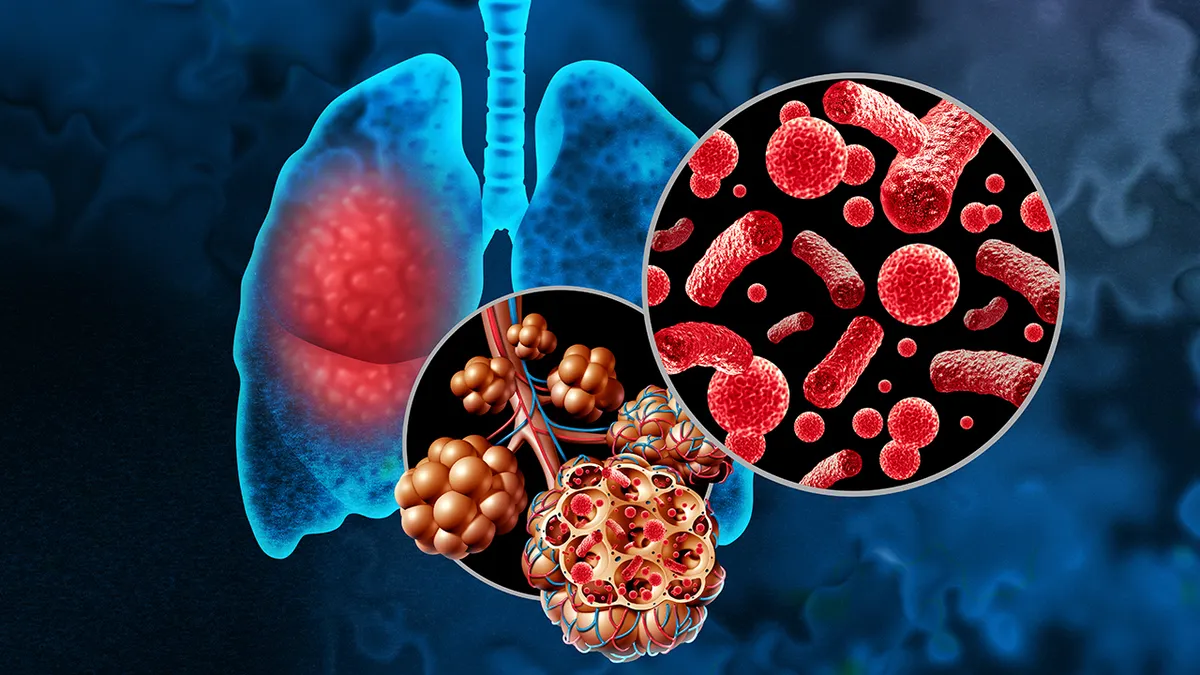
1. Persistent Cough
A persistent cough is often the earliest and most noticeable sign of a lung infection. This symptom occurs because your lungs and airways are irritated or inflamed by the infectious agent, such as bacteria, viruses, or fungi. Unlike a common cough that resolves within a few days, a cough caused by a lung infection typically lasts longer and may produce mucus or phlegm.
The color and consistency of the mucus can provide clues about the infection type. For example, thick yellow or green mucus often indicates a bacterial infection, while clear or white mucus may be viral. A cough that worsens at night or interferes with breathing should raise concern.
If your persistent cough is accompanied by other symptoms like chest discomfort, fever, or shortness of breath, it is important to seek medical evaluation promptly. Early diagnosis can lead to timely treatment, reducing the risk of complications like pneumonia or lung abscesses.
- Duration longer than two weeks
- Production of colored mucus
- Cough accompanied by blood or rust-colored sputum
- Worsening symptoms despite over-the-counter remedies
2. Shortness of Breath
Shortness of breath (dyspnea) is a critical symptom that signals your lungs are struggling to provide adequate oxygen to your body. In lung infections, inflammation and fluid buildup in the alveoli (air sacs) reduce lung capacity and impair oxygen exchange.
Patients may notice difficulty catching their breath during routine activities like walking or climbing stairs, or even at rest in severe cases. This symptom requires urgent attention because it can rapidly progress to respiratory failure if untreated.
Shortness of breath in lung infections often accompanies other signs such as rapid breathing, chest tightness, and cyanosis (a bluish tint to the lips or fingertips). If you experience sudden or severe breathlessness, visiting the emergency department is necessary.
- Breathlessness worsening over hours or days
- Inability to speak full sentences without pausing for breath
- Use of accessory muscles to breathe
- Feeling of suffocation or choking