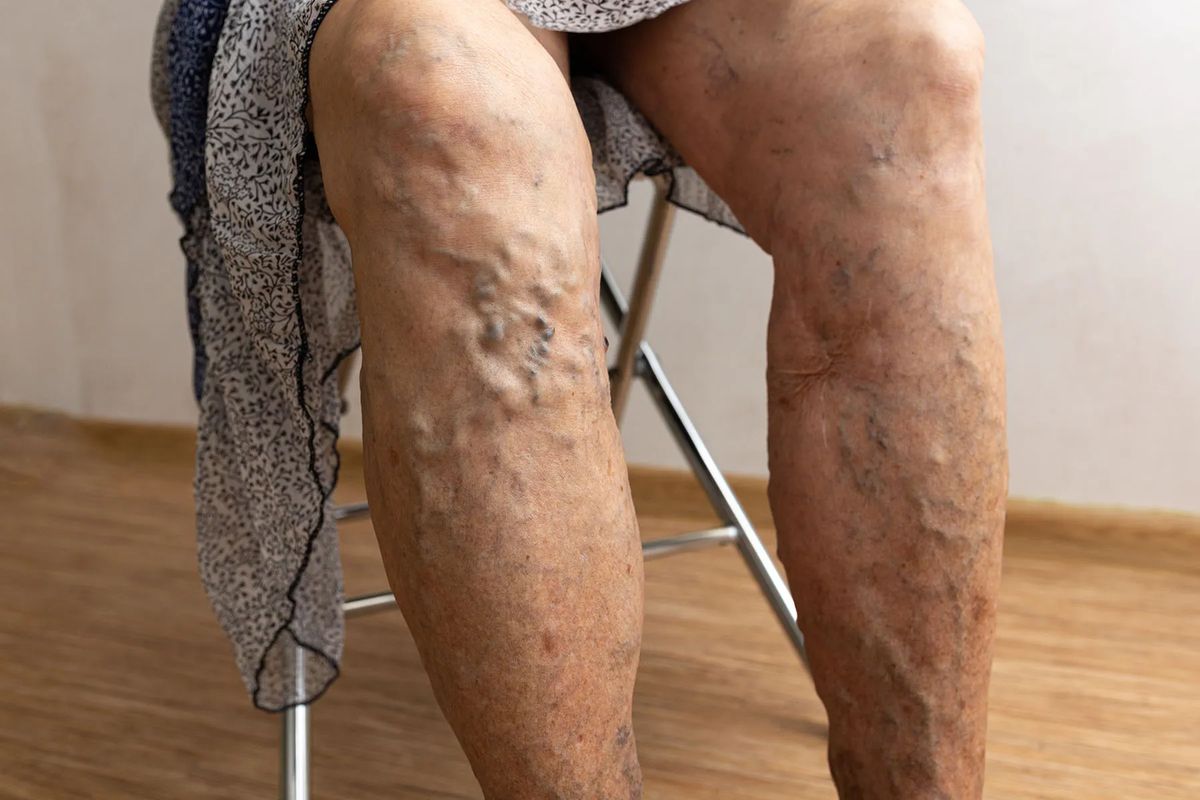
1. Visible Bulging Veins
One of the most apparent and earliest signs of varicose veins is the presence of visible bulging veins on your legs. These veins often appear twisted, swollen, and raised just beneath the skin surface, usually colored blue or dark purple. This occurs when the valves inside the veins weaken or malfunction, causing blood to pool and vessels to enlarge.
While visible bulging veins are often considered a cosmetic issue, their presence can signal underlying venous insufficiency. This condition impairs proper blood flow and if left untreated, can lead to more severe complications such as blood clots or ulcers.
If you notice new or worsening bulging veins, especially if they are associated with discomfort or other symptoms in this list, it’s important to consult a vascular specialist. Diagnostic tests like duplex ultrasound can evaluate the function of your veins and help guide treatment options, which may range from compression therapy to minimally invasive procedures.
2. Leg Pain or Aching
Persistent leg pain or aching is a common symptom linked to varicose veins that should not be overlooked. The discomfort is often described as a heavy, throbbing, or burning sensation, typically worsening after prolonged standing or sitting. This pain results from increased pressure within the faulty veins and local inflammation in the surrounding tissues.
Leg pain associated with varicose veins can interfere with daily activities and reduce quality of life. It may also indicate that the vein damage is progressing or that complications such as superficial thrombophlebitis (inflammation of a vein with clot formation) are developing.
Effective management of leg pain often involves lifestyle adjustments such as elevating the legs, wearing graduated compression stockings, and engaging in regular exercise to improve circulation. However, persistent or severe pain warrants medical evaluation to rule out deep vein thrombosis (DVT) and to explore interventions like endovenous laser therapy or sclerotherapy.