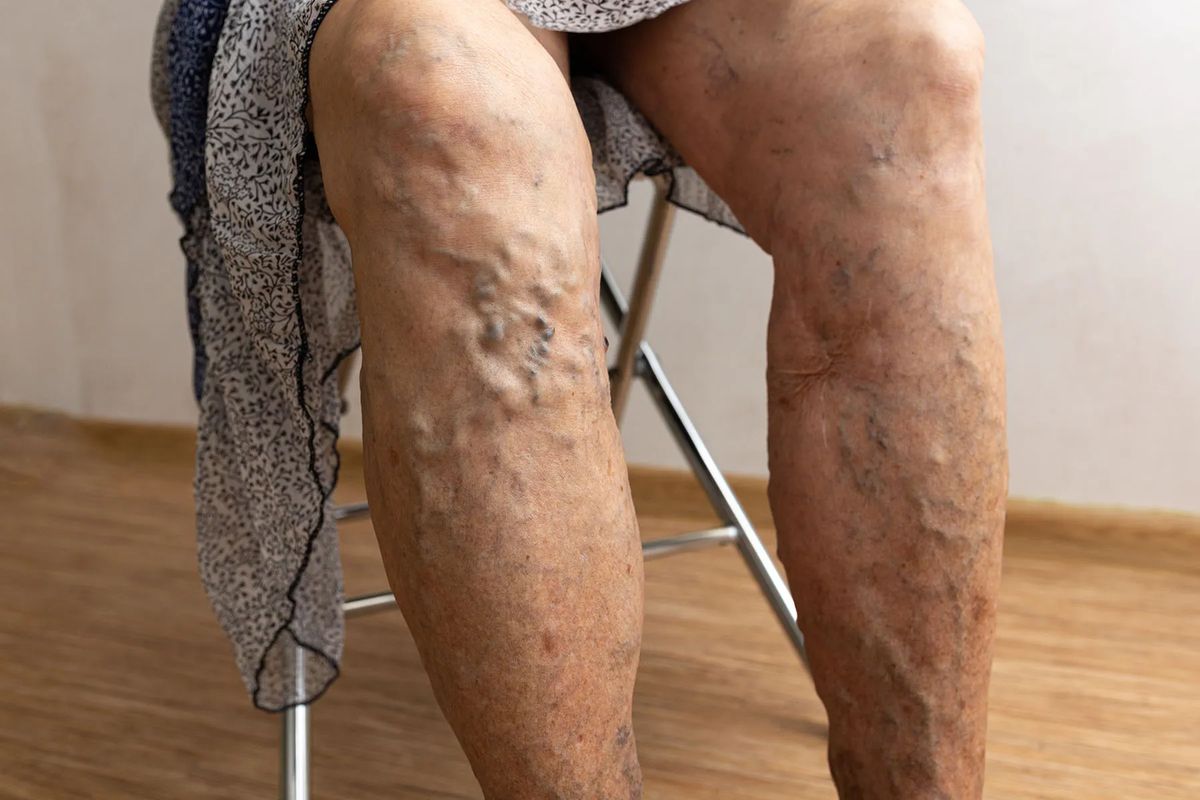
3. Swelling Around Ankles
Swelling, or edema, around the ankles is a significant sign that varicose veins may be impacting your venous circulation. When veins fail to efficiently return blood to the heart, fluid can leak into the surrounding tissues, causing noticeable puffiness, especially by the end of the day.
This swelling can be mild initially but may worsen over time, leading to skin tightness and discomfort. It often signals that venous insufficiency is advancing and that the veins are struggling to manage blood volume.
If swelling is accompanied by redness, warmth, or tenderness, it is crucial to seek immediate medical attention, as these could indicate infection or the presence of a blood clot.
4. Skin Discoloration
Skin discoloration near varicose veins is a warning sign of chronic venous disease. You may notice areas of your lower leg or ankle turning brown, red, or purple. This happens due to the breakdown of red blood cells leaking from damaged veins, which releases hemosiderin pigment into the skin.
Discoloration often precedes more serious skin changes like eczema or lipodermatosclerosis, which cause thickening and hardening of the skin. These changes indicate long-term venous hypertension and require prompt evaluation to prevent ulcer formation.
5. Itching or Irritation
Itching or irritation around varicose veins can be more than just a minor annoyance. It often results from dry, inflamed skin due to poor circulation and venous stasis. Persistent itching may also indicate the early stages of venous eczema, a condition that can lead to skin breakdown if untreated.
To manage itching, using moisturizers and avoiding scratching are important, but ongoing symptoms should prompt a visit to your healthcare provider. They can assess whether you need treatments to improve circulation or address skin inflammation.