6. Muscle Cramps or Spasms
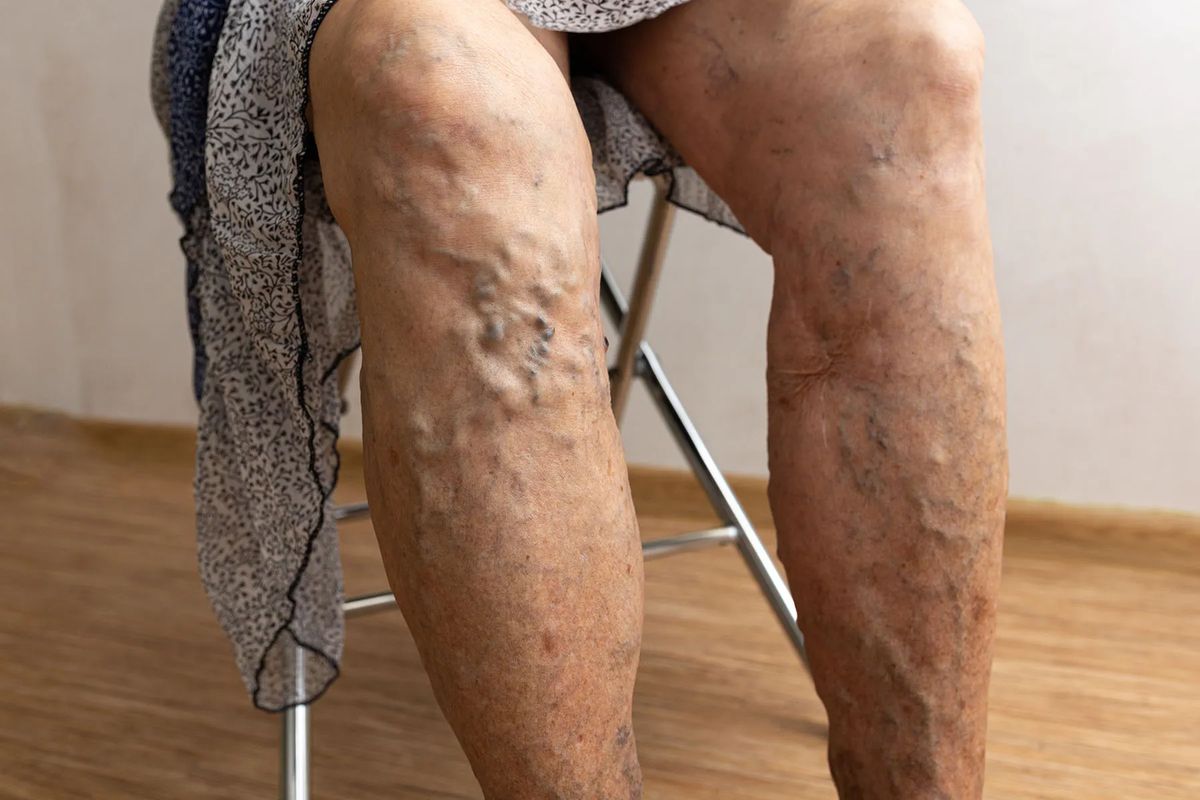
Muscle cramps or spasms in the legs, especially at night, may be linked to varicose veins and the resulting venous insufficiency. Poor blood flow can cause muscle fatigue and inadequate oxygen delivery, triggering these painful involuntary contractions.
While cramps can result from various causes, their presence alongside varicose veins should raise concern about worsening venous health. Persistent cramps may interfere with sleep and daily comfort.
Addressing this symptom includes improving circulation with compression stockings, regular leg elevation, and staying hydrated. Medical evaluation can help exclude other causes such as electrolyte imbalances or neurological conditions.
7. Ulcers or Sores
One of the most serious complications of varicose veins is the development of venous ulcers or sores. These open wounds typically form around the ankles and are slow to heal due to poor blood flow and skin breakdown.
Venous ulcers are often painful, prone to infection, and can significantly impair mobility. Their presence indicates advanced venous disease requiring specialized treatment, including wound care, compression therapy, and possibly surgical intervention to correct the underlying vein dysfunction.
Early recognition and treatment of ulcers are critical to prevent progression and reduce the risk of complications.
8. Bleeding from Veins
Bleeding from varicose veins, although less common, is a potentially severe sign that requires immediate attention. As varicose veins become more fragile and close to the skin surface, even minor trauma can cause them to rupture and bleed.
The bleeding can be sudden and profuse, necessitating urgent care to control blood loss and prevent infection. This symptom reflects the advanced weakening of the vein walls and is an indication for prompt vascular evaluation and treatment.