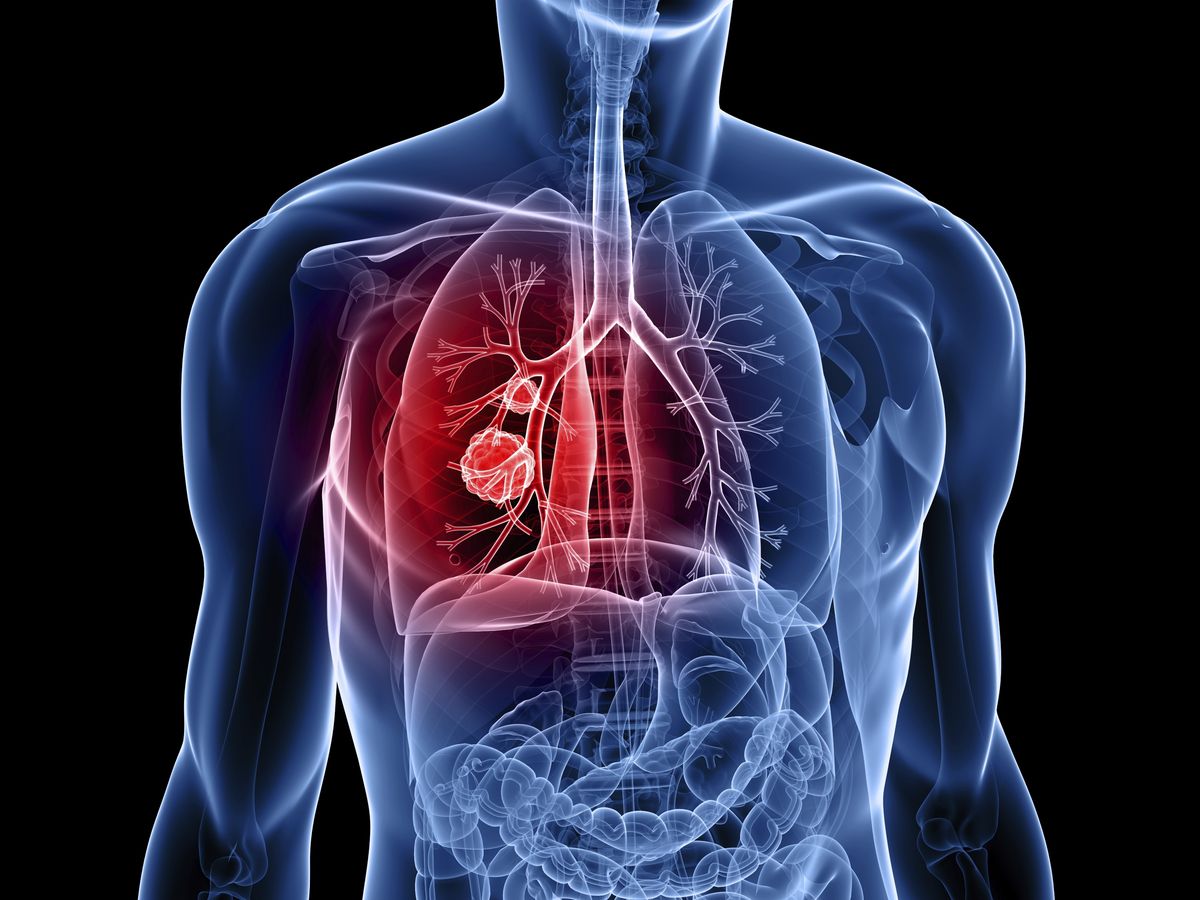
Recognize Lung Cancer Early: Why It Matters
Lung cancer remains one of the leading causes of cancer-related deaths worldwide. Early detection is critical because the chances of successful treatment drop sharply as the disease progresses. If you spot the warning signs early, you can seek medical evaluation promptly and improve your prognosis.
When to Consider Lung Cancer as a Cause
Many early symptoms of lung cancer overlap with common respiratory conditions. The key is to focus on symptoms that persist longer than expected or worsen over time. For example, a cough lasting more than three weeks in a smoker or former smoker is a red flag that requires medical attention.
Keep in mind that lung cancer symptoms often fall into two categories: localized (related to the lungs and chest) and systemic (affecting the whole body). Recognizing this division can help you decide when to see a doctor.
Check Your Risk Factors First
Before diving into symptoms, evaluate your risk factors. Smoking is the most significant risk, responsible for about 85% of lung cancers. Exposure to secondhand smoke, radon gas, asbestos, or a family history of lung cancer also increases risk. If you have any of these factors, be extra alert to changes in your respiratory health.
Check Your Medicine Cabinet and History
Some respiratory symptoms might be side effects of medications or related to chronic lung conditions like COPD or asthma. If you’re on drugs known to cause cough or respiratory irritation, discuss alternatives with your doctor. Also, if you have had repeated lung infections or chronic bronchitis, symptoms might overlap, but new or worsening signs deserve prompt evaluation.
Key Warning Signs to Watch For
While many symptoms can be caused by less serious conditions, the following signs warrant a thorough medical check-up, especially if they last more than a few weeks or progressively worsen:
- Persistent cough: A cough that doesn’t go away or changes character over time.
- Chest pain: Pain that is constant or worsens with deep breaths or coughing.
- Shortness of breath: Difficulty breathing or feeling winded doing usual activities.
- Unexplained weight loss: Losing weight without trying.
- Coughing up blood: Even small amounts require urgent evaluation.
- Hoarseness: Changes in voice lasting more than two weeks.
- Frequent lung infections: Repeated pneumonia or bronchitis episodes.
- Fatigue: Unusual tiredness not explained by other factors.
- Loss of appetite: Decreased desire to eat for no obvious reason.
- Wheezing: New or worsening wheezing sounds when breathing.
Why Early Medical Evaluation Can Save Lives
Because lung cancer symptoms often appear late, many people delay seeking care. But even subtle early signs, when combined with risk factors, should prompt a visit to a healthcare provider. Modern diagnostic tests like low-dose CT scans can detect lung cancer before symptoms become severe, improving treatment options and survival rates.
Costs for comprehensive lung cancer screening vary, but many insurance plans cover low-dose CT scans for high-risk individuals, typically costing under $300 out-of-pocket. Early diagnosis not only saves lives but reduces the high costs associated with advanced-stage cancer treatments.
If you experience any of the symptoms above, particularly persistent cough or coughing up blood, contact your doctor without delay. Early action is the best defense.
Here are the 10 early signs of lung cancer. Number 5 is the one most people ignore — yet it demands urgent attention.