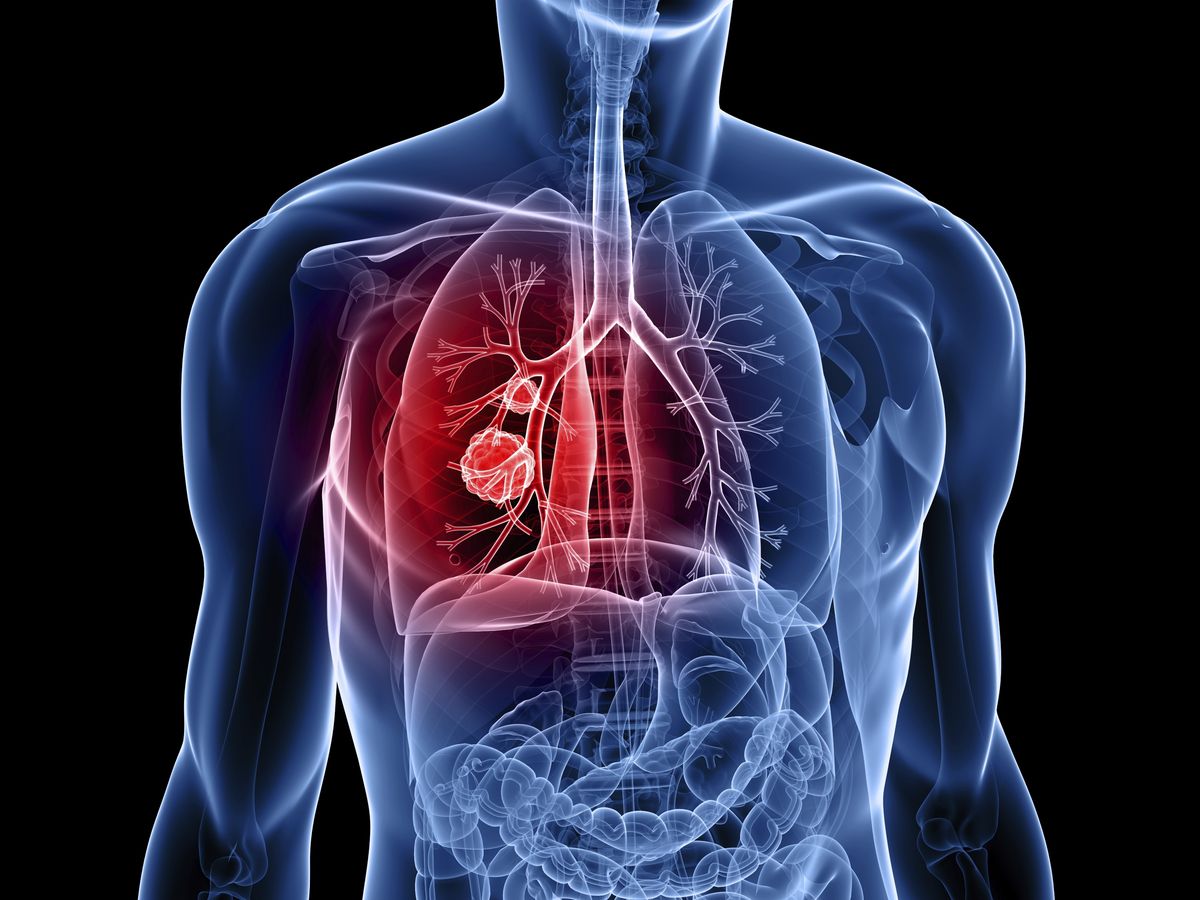
1. Persistent cough
A persistent cough lasting more than eight weeks is one of the most common early signs of lung cancer, but it is often overlooked or attributed to less serious causes like a cold or allergies. This cough may start as dry but can become productive over time, sometimes with thick mucus. Importantly, if the cough worsens or changes character, it warrants medical evaluation.
The underlying mechanism involves the tumor irritating the airways or causing inflammation, which triggers the cough reflex. In some cases, the tumor obstructs a bronchus, leading to mucus buildup and infection, further aggravating the cough.
Because a persistent cough can result from many conditions, doctors often recommend a chest X-ray or low-dose CT scan to rule out lung cancer, especially in high-risk individuals such as smokers or those with a history of exposure to environmental carcinogens.
- Duration longer than 8 weeks
- Change in cough pattern or sound
- Associated symptoms like hoarseness or chest pain
- Risk factors including smoking or occupational exposure
If you notice a persistent or changing cough that doesn’t respond to usual treatment, see a healthcare provider promptly for further testing.
2. Chest pain
Chest pain from lung cancer is often due to the tumor invading the chest wall, ribs, or pleura (the lining around the lungs). This pain tends to be persistent, localized, and may worsen with deep breathing, coughing, or movement. Unlike the sharp, stabbing pain from a muscle strain, cancer-related pain is usually dull, aching, or pressure-like.
The presence of chest pain in lung cancer patients often indicates a more advanced stage, as the tumor has grown beyond the lung tissue itself. However, early-stage tumors located near the pleura can also cause discomfort.
Because chest pain can stem from many causes, including heart conditions, pneumonia, or musculoskeletal issues, doctors will often order imaging studies such as chest X-rays, CT scans, or even PET scans to identify the source.
- Persistent, localized dull or aching pain
- Worsening with deep breaths or coughing
- Possible radiation to the shoulder or back
- Accompanied by other lung symptoms
If chest pain is new, persistent, or associated with other respiratory symptoms, timely medical assessment is critical to exclude lung cancer or other serious conditions.