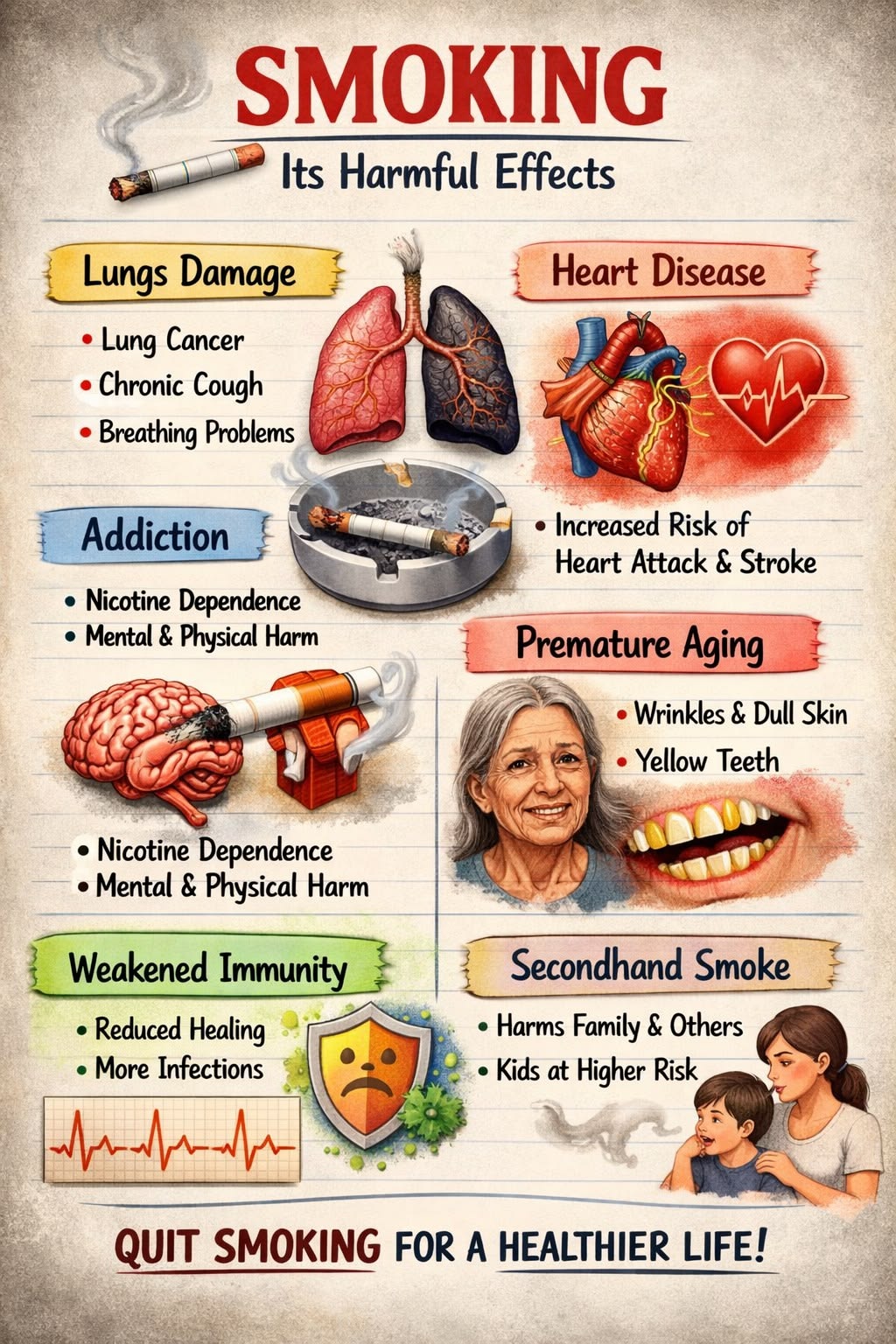
1. Lung Damage
Smoking inflicts severe damage on the lungs by introducing toxic chemicals that irritate and inflame the delicate tissues. Over time, this leads to chronic obstructive pulmonary disease (COPD), which includes conditions such as emphysema and chronic bronchitis. These diseases cause persistent coughing, excessive mucus production, and difficulty breathing.
In addition to COPD, smoking dramatically increases the risk of lung cancer. Carcinogens in tobacco smoke alter the DNA in lung cells, leading to uncontrolled cell growth. Lung cancer often remains undetected until advanced stages, making early diagnosis challenging.
- Common symptoms include chronic cough, shortness of breath, and frequent respiratory infections.
- Regular lung function tests and low-dose CT scans can help detect early lung damage in smokers.
- Quitting smoking slows lung function decline and improves respiratory health.
2. Heart Disease
Smoking is a major contributor to cardiovascular disease, significantly increasing the risk of heart attacks and strokes. The chemicals in cigarette smoke damage the lining of blood vessels, leading to atherosclerosis—the buildup of plaque that narrows arteries and restricts blood flow.
This narrowing raises blood pressure and forces the heart to work harder, which can trigger coronary artery disease. Smoking also raises levels of harmful LDL cholesterol while lowering protective HDL cholesterol, compounding the risk of heart disease.
Smokers face a much higher risk of developing blood clots, which can block arteries and cause heart attacks or ischemic strokes. Quitting smoking reduces these risks substantially, even for long-term smokers.
- Key warning signs include chest pain, shortness of breath, and unexplained fatigue.
- Tests such as electrocardiograms (EKG) and cholesterol panels are essential for smokers with cardiovascular symptoms.
- Effective management includes lifestyle changes, medications, and regular cardiac monitoring.