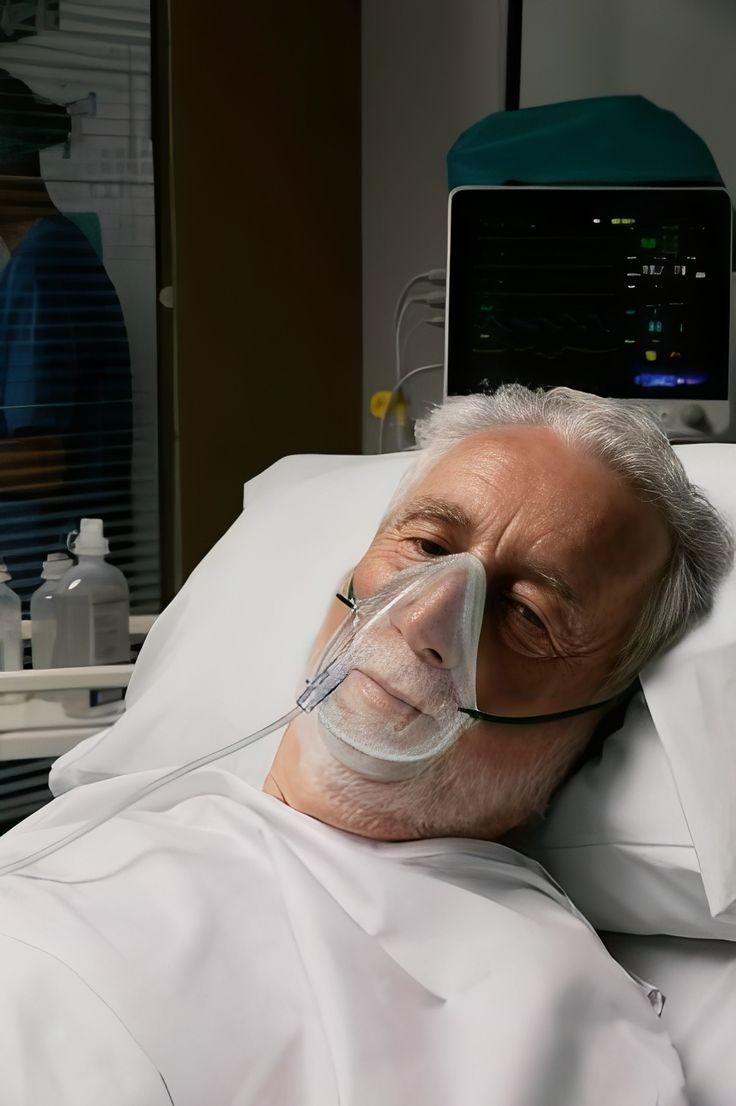
3. Duration of Use
The length of time a patient uses supplemental oxygen each day depends on their medical condition and oxygen saturation levels. Continuous oxygen therapy is often required for severe respiratory diseases, whereas intermittent use may be sufficient for milder cases.
Extended use of oxygen without medical supervision can cause dryness and irritation of the nasal passages and airways. Additionally, prolonged exposure to high oxygen concentrations increases the risk of oxygen toxicity, which affects lung tissue and can worsen respiratory function.
Patients should:
- Use oxygen as prescribed, adhering to recommended durations.
- Take breaks only if advised by their healthcare provider.
- Report any new symptoms such as increased breathlessness, coughing, or chest discomfort to their medical team promptly.
4. Mask Type Selection
Choosing the correct type of oxygen mask is essential for matching the patient’s oxygen needs and comfort. Common mask types include simple face masks, Venturi masks, non-rebreather masks, and nasal cannulas, each delivering different oxygen concentrations.
For example, nasal cannulas deliver low to moderate oxygen concentrations and are suitable for patients who require supplemental oxygen but can breathe spontaneously. Non-rebreather masks provide higher oxygen concentrations and are reserved for acute or critical situations.
Healthcare providers select mask types based on:
- Patient’s oxygen saturation and respiratory status.
- Need for precise oxygen concentration control.
- Comfort and tolerance of the device.
Using an inappropriate mask type can either underdeliver oxygen or unnecessarily expose patients to high oxygen levels, increasing risks.
5. Signs of Oxygen Toxicity
Oxygen toxicity occurs when tissues are exposed to excessive oxygen levels for prolonged periods, leading to damage primarily in the lungs and central nervous system. Early recognition is crucial to prevent serious complications.
Common signs and symptoms include:
- Persistent coughing or chest tightness.
- Shortness of breath that worsens despite oxygen therapy.
- Chest pain or discomfort.
- Headache, dizziness, or visual disturbances.
If any signs of oxygen toxicity develop, patients should seek immediate medical evaluation. Adjustments in oxygen flow rate and therapy duration may be necessary to mitigate damage.