6. Checking Equipment Function
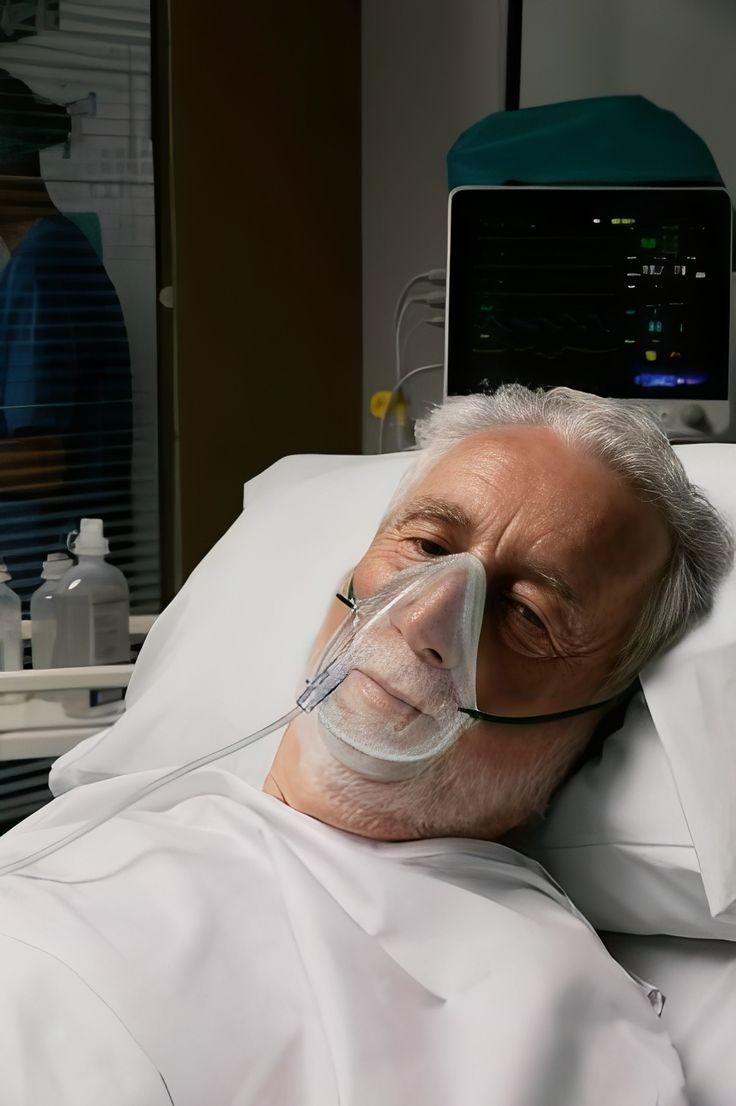
Reliable oxygen delivery depends on equipment functioning correctly. Faulty or poorly maintained devices can lead to insufficient oxygen supply or unsafe conditions.
Regular checks should include:
- Inspecting oxygen concentrators or cylinders for leaks or damage.
- Verifying that flow meters display accurate readings.
- Ensuring tubing is free from kinks, blockages, or cracks.
- Confirming that masks and cannulas are clean and intact.
Routine maintenance by qualified technicians and prompt replacement of malfunctioning parts are essential steps to maintain safe oxygen therapy.
7. Patient Positioning
Proper patient positioning can significantly enhance oxygenation and respiratory efficiency. Elevating the head of the bed to a 30-45 degree angle helps improve lung expansion and reduces the work of breathing.
Positions such as sitting upright or semi-Fowler’s position facilitate better diaphragmatic movement and airway clearance. Conversely, lying flat may worsen respiratory distress, especially in patients with pulmonary edema or chronic lung disease.
Caregivers should encourage patients to change positions periodically to prevent complications such as pressure ulcers and to optimize lung function.
8. Recognizing Emergencies
Respiratory patients and caregivers must be alert to signs of emergencies requiring urgent intervention. Prompt recognition can be lifesaving.
Emergency signs include:
- Sudden onset of severe shortness of breath or chest pain.
- Confusion, excessive drowsiness, or inability to stay awake.
- Blue or gray discoloration of lips, face, or extremities (cyanosis).
- Persistent coughing or coughing up blood.
- Oxygen saturation levels dropping below prescribed thresholds despite oxygen therapy.
In these cases, immediate medical attention is critical. Patients or caregivers should call emergency services without delay.