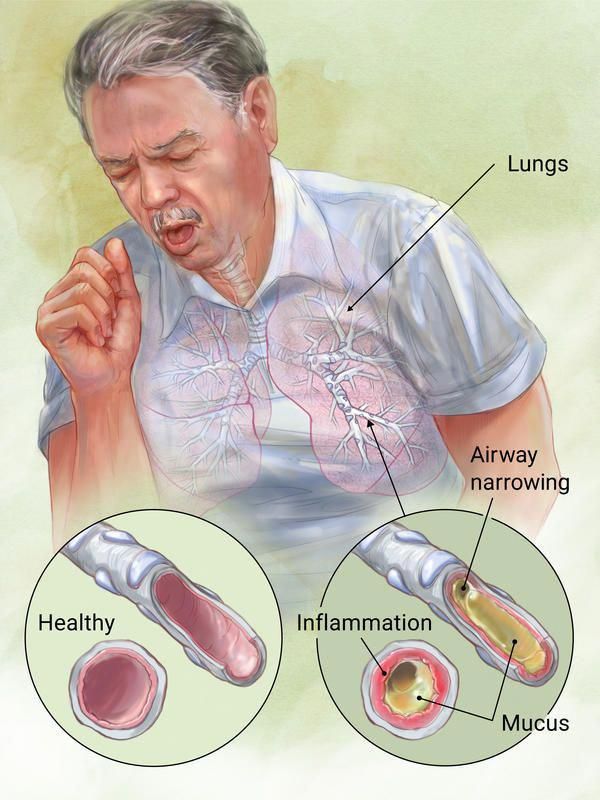
1. Persistent cough
A persistent cough is often one of the earliest signs that your airways are narrowing. This happens because the inflamed or constricted airways stimulate the cough reflex as your body attempts to clear irritants or excess mucus. Unlike a typical cough from a cold that resolves in a week or two, this cough lingers and may worsen over time.
In practice, this cough may be dry or produce sputum, and it often worsens at night or with physical activity. If you notice a cough lasting more than eight weeks or a change in your usual cough pattern, it could indicate an underlying airway problem such as asthma, chronic bronchitis, or early chronic obstructive pulmonary disease (COPD).
If persistent cough is accompanied by other symptoms like shortness of breath or wheezing, it’s important to consult a healthcare provider for evaluation. They may recommend spirometry testing to measure lung function or imaging studies to rule out other conditions.
2. Shortness of breath
Shortness of breath, also known as dyspnea, is a key symptom that signals your airways may be narrowing and restricting airflow. This symptom occurs because the inflamed or constricted airways reduce oxygen delivery to your lungs, making it harder to breathe normally.
Initially, shortness of breath may appear only during exertion, such as climbing stairs or carrying heavy objects. As airway narrowing progresses, even mild activities or rest may trigger breathlessness. You might notice a sensation of tightness in the chest or an increased effort to breathe.
Recognizing early shortness of breath is crucial because it often precedes more severe respiratory problems. If you experience new or worsening shortness of breath, seek medical evaluation promptly. Pulmonary function tests and imaging can help identify the cause and guide treatment options, which may include bronchodilators or anti-inflammatory medications.