6. Fatigue
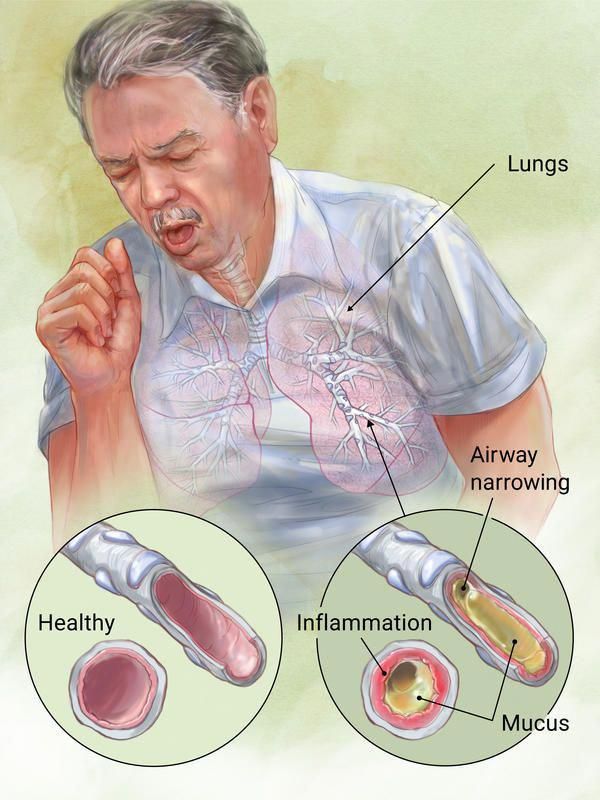
Fatigue is a common but often overlooked symptom of airway narrowing. When your lungs cannot efficiently deliver oxygen due to constricted airways, your body’s tissues may receive less oxygen than needed, leading to tiredness and reduced physical capacity.
This fatigue is not just ordinary tiredness; it can impair daily activities and reduce quality of life. The extra effort required to breathe can drain your energy reserves, especially if your condition is advancing without proper treatment.
If you experience unexplained or persistent fatigue alongside respiratory symptoms, a thorough medical evaluation is important to assess lung function and rule out other causes.
7. Frequent respiratory infections
Narrowed airways and excess mucus create an environment conducive to bacterial and viral growth, increasing susceptibility to respiratory infections such as bronchitis and pneumonia.
Frequent infections can exacerbate inflammation and airway damage, creating a vicious cycle that worsens breathing difficulties. Patients with conditions like COPD often experience recurrent infections that require antibiotics or hospitalization.
Preventive strategies include vaccinations for influenza and pneumococcus, smoking cessation, and regular monitoring by a healthcare provider to manage symptoms and reduce infection risk.
8. Triggers and irritants
Many individuals with narrowing airways notice that their symptoms worsen when exposed to environmental triggers and irritants. Common triggers include tobacco smoke, air pollution, chemical fumes, strong odors, and allergens like pollen or pet dander.
These irritants provoke airway inflammation and bronchospasm, causing sudden worsening of cough, wheezing, or shortness of breath. Identifying and avoiding personal triggers is a cornerstone of managing airway diseases.
In some cases, occupational exposure to dust or chemicals may contribute to airway narrowing, requiring workplace adjustments or protective measures.