3. Symptoms to Watch For
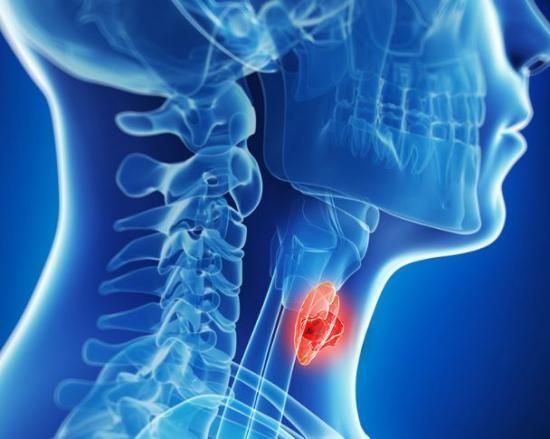
Most thyroid nodules are asymptomatic and discovered incidentally during imaging for unrelated issues. However, some nodules can cause symptoms, especially when they grow large enough to affect surrounding structures.
Symptoms that warrant attention include:
- A noticeable lump or swelling in the neck
- Difficulty swallowing or breathing due to compression
- Hoarseness or voice changes caused by pressure on the recurrent laryngeal nerve
- Persistent cough not related to respiratory infections
Occasionally, nodules may secrete thyroid hormone independently, leading to symptoms of hyperthyroidism such as unexplained weight loss, rapid heartbeat, or anxiety.
4. When Nodules Are Cancerous
Although most thyroid nodules are benign, a small percentage can be malignant. Features that increase the suspicion of cancer include rapid nodule growth, firmness, fixation to surrounding tissues, and a personal or family history of thyroid cancer or radiation exposure.
Thyroid cancers commonly present as solitary nodules and are more likely if the patient is younger than 20 or older than 60. High-risk factors also include a history of radiation to the head or neck, especially during childhood.
Early detection of cancerous nodules improves treatment outcomes, which is why careful evaluation is essential when risk factors or suspicious features are present.
5. Diagnostic Tests
Initial evaluation begins with a thorough physical examination followed by thyroid function tests measuring TSH (thyroid stimulating hormone), free T4, and sometimes thyroid antibodies to assess gland activity.
Ultrasound imaging is the primary diagnostic tool for characterizing nodules, revealing size, composition, and suspicious features. Based on ultrasound findings and clinical risk factors, further testing may be recommended.
Other diagnostic tests include:
- Radionuclide thyroid scan: Determines whether a nodule is “hot” (functioning) or “cold” (non-functioning), with cold nodules having a higher risk of malignancy.
- Fine needle aspiration biopsy (FNAB): The gold standard for evaluating suspicious nodules, providing cytological diagnosis.
- CT or MRI scans: Occasionally used if the nodule is large or involves surrounding structures.