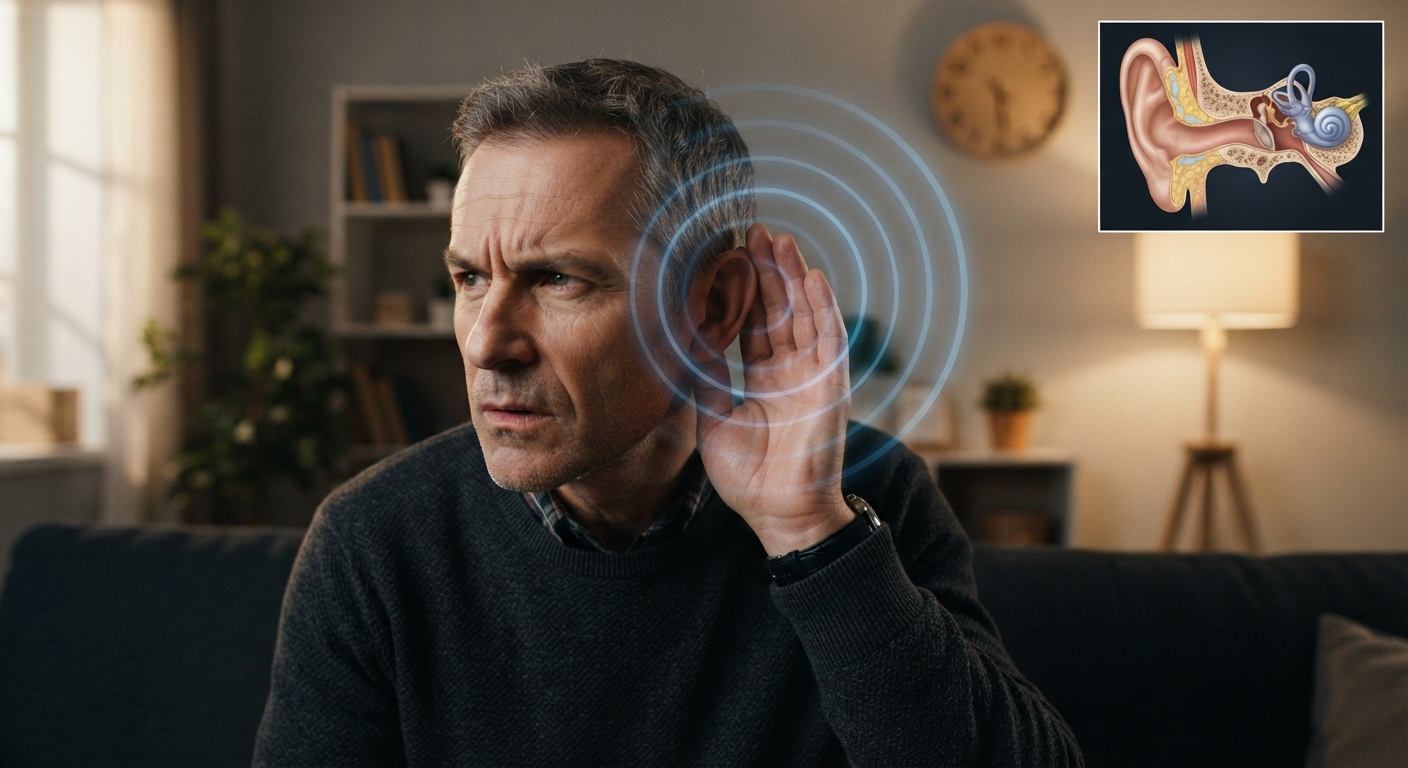
When Ear Ringing Could Signal Something Serious
If the ringing in your ears is sudden, accompanied by dizziness, hearing loss, or weakness on one side of your body, seek medical attention immediately. These symptoms can indicate urgent conditions like stroke or severe ear infections.
Understanding Your Ear Ringing: Pulsatile or Continuous?
Before exploring causes, it’s important to distinguish between types of ear ringing (tinnitus). Is the noise a steady, continuous ringing, buzzing, or hissing? Or does it pulse in rhythm with your heartbeat? Pulsatile tinnitus often points to vascular issues and requires different evaluation than non-pulsatile types.
Try this quick self-check:
- Find a quiet room and sit comfortably.
- Note whether your ear ringing is steady or pulsing.
- Check if it affects one ear or both.
This initial distinction helps guide your next steps and what specialists you might need to see.
Check Your Medicine Cabinet: Are Your Medications a Factor?
Many common prescription and over-the-counter drugs list tinnitus as a potential side effect. These include certain antibiotics, diuretics, cancer medications, and high doses of aspirin or NSAIDs.
If you suspect your medications may be contributing, do not stop taking them abruptly. Instead, discuss your symptoms with your prescribing doctor, who can assess alternatives or adjust dosages.
When to Consult a Specialist
If your ear ringing persists beyond a few weeks, worsens, or is accompanied by other symptoms like hearing loss or dizziness, a visit to an audiologist or an ear, nose, and throat (ENT) specialist is recommended. Comprehensive hearing tests and imaging studies, such as MRI or CT scans, may be necessary to identify underlying causes.
The cost of these evaluations can vary widely. Hearing tests typically range from $100 to $300 without insurance, while imaging studies may cost $500 to $3,000 depending on location and facility. Many insurance plans cover these if medically indicated.
Understanding the Risk Factors
Age-related hearing loss is the most common cause of tinnitus, affecting nearly 30% of adults over 50. Other factors include exposure to loud noises, high blood pressure, and certain chronic conditions.
Knowing your risk profile helps prioritize prevention and treatment strategies.
Here are the 7 possible triggers that may make your ear ringing more noticeable. Number 3 is the one most people overlook but can have a big impact.