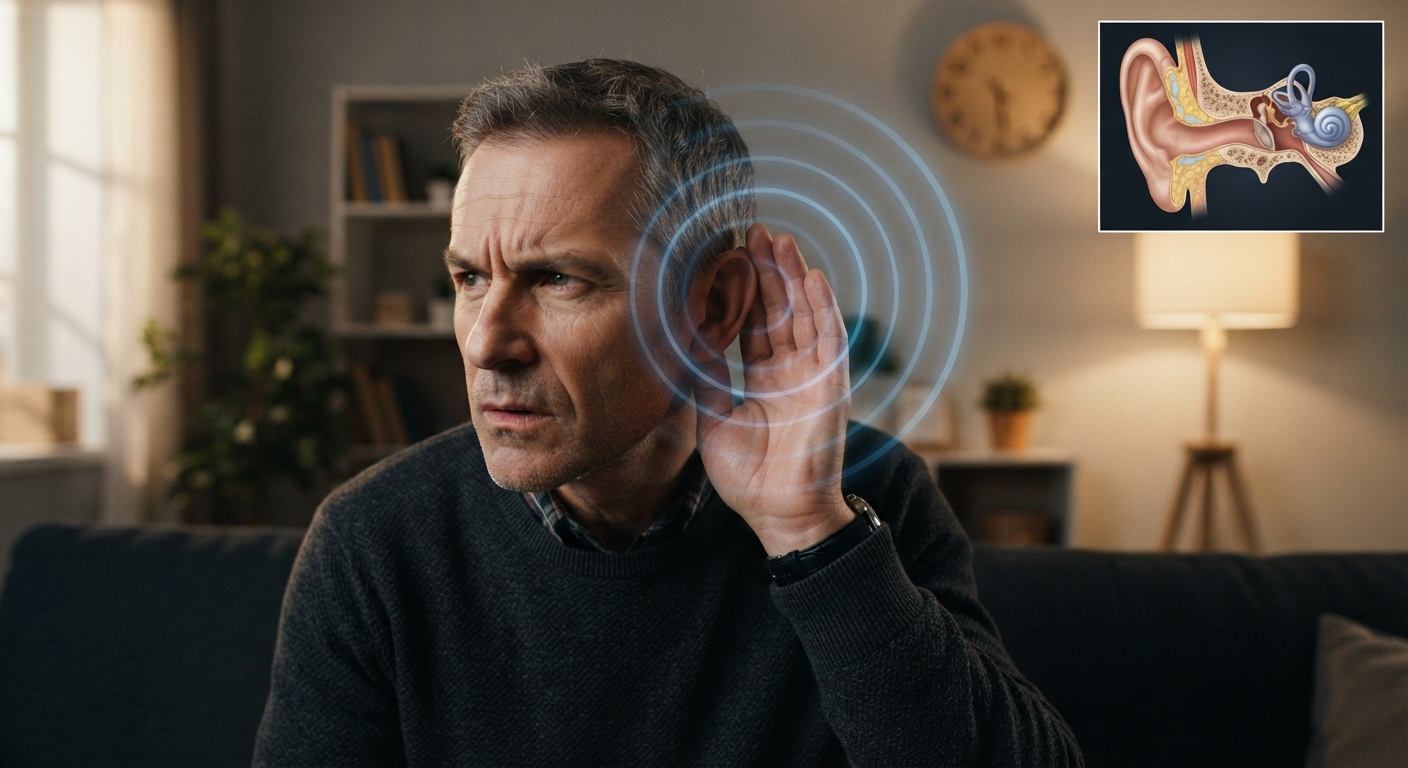
1. Exposure to loud noise
One of the most common triggers of ear ringing, or tinnitus, is exposure to loud noise. Loud sounds can damage the delicate hair cells in the cochlea—the inner ear structure responsible for converting sound waves into nerve signals. This damage disrupts normal auditory processing and can cause a persistent ringing sensation.
In practice, this often happens after attending concerts, working with loud machinery, or prolonged use of headphones at high volumes. The ringing may appear immediately after noise exposure or develop gradually with repeated incidents.
Protecting your ears with earplugs in noisy environments and limiting the volume on personal audio devices are essential preventive measures. If you notice ringing after noise exposure, try to rest your ears in a quiet environment to reduce symptoms.
2. Earwax buildup
Excessive earwax (cerumen) can block the ear canal and lead to a sensation of fullness, muffled hearing, and sometimes tinnitus. When earwax presses against the eardrum or traps sound waves, it can trigger or amplify ringing sounds.
Earwax buildup is more common in individuals who use cotton swabs or other objects to clean their ears, which can push wax deeper instead of removing it. Symptoms include ear discomfort and fluctuating hearing loss alongside ringing.
Professional earwax removal by an audiologist or ENT specialist is recommended if you suspect blockage. Avoid attempting to remove earwax with sharp objects at home, as this can cause injury or infection.
3. Medications side effects
Certain medications are known to cause or worsen tinnitus as a side effect. These include high doses of nonsteroidal anti-inflammatory drugs (NSAIDs), some antibiotics (such as aminoglycosides), loop diuretics, and chemotherapy agents.
The mechanism often involves drug toxicity affecting the auditory nerve or inner ear structures. The onset of tinnitus may coincide with starting or increasing the dosage of these medications.
If you suspect your medication is contributing to ear ringing, do not stop taking it without consulting your prescribing doctor. They can assess the risk-benefit balance and may adjust your treatment or suggest alternatives.