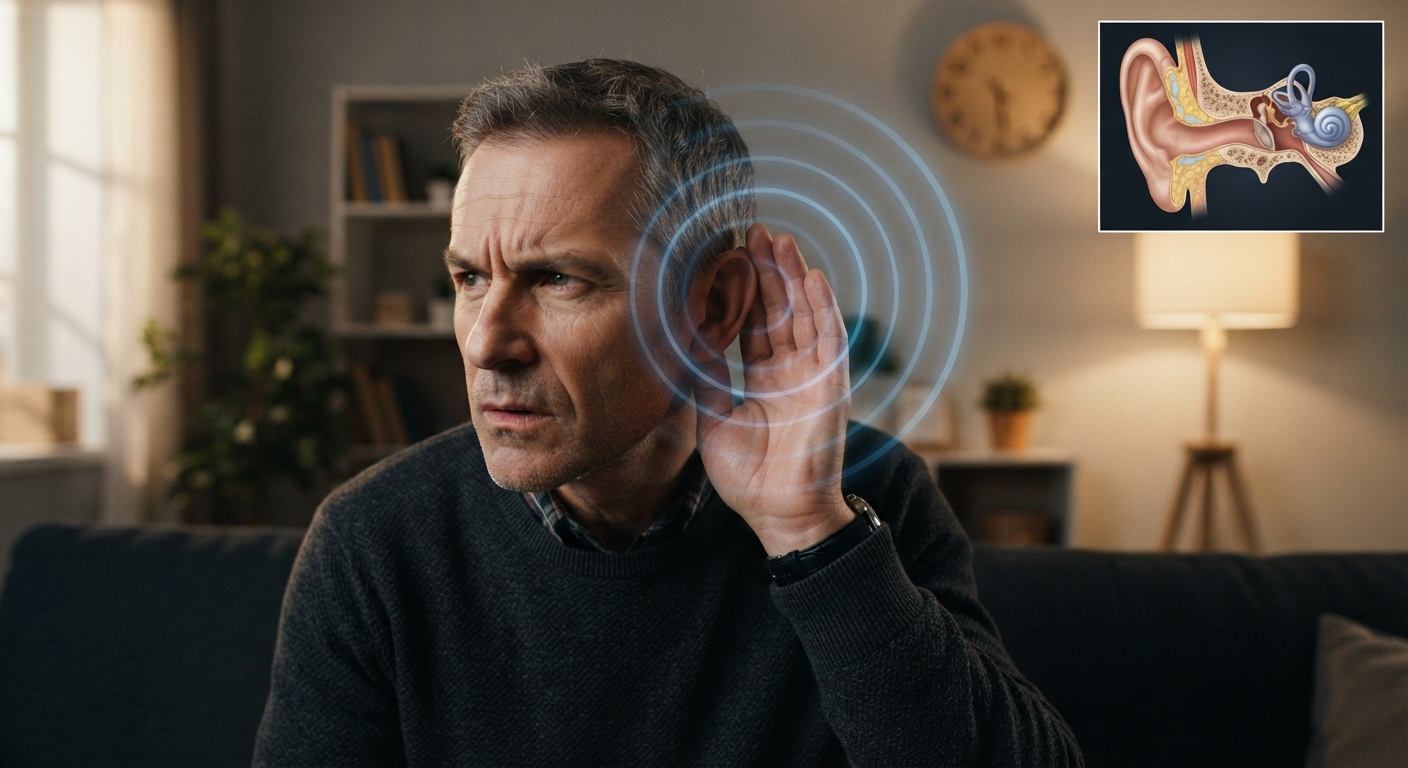
4. Ear infections
Infections of the middle or inner ear can cause inflammation and fluid buildup, leading to tinnitus. Common culprits include bacterial or viral infections such as otitis media or labyrinthitis.
Infections often present with additional symptoms like ear pain, fever, hearing loss, or dizziness. The inflammation can irritate the auditory nerves, triggering ringing or buzzing sounds.
Treatment typically involves antibiotics or antiviral medications, depending on the cause, along with pain relief. Prompt medical evaluation is important to prevent complications such as permanent hearing damage.
5. Blood pressure changes
High blood pressure (hypertension) or sudden fluctuations in blood pressure can influence blood flow to the ear and the auditory pathways. This can result in pulsatile tinnitus, where the ringing or whooshing sound beats in time with your heartbeat.
Pulse-synchronous tinnitus is often described as a rhythmic thumping or pulsing noise and can be a sign of vascular issues. Managing blood pressure through lifestyle changes and prescribed medication can reduce these symptoms.
If you experience new or worsening pulsatile tinnitus, it is important to consult a healthcare provider to rule out underlying cardiovascular conditions.
6. Jaw problems (TMJ)
The temporomandibular joint (TMJ), which connects your jawbone to your skull, is located very close to the ear. Disorders of this joint, including arthritis, jaw misalignment, or teeth grinding (bruxism), can cause tinnitus.
TMJ-related tinnitus may worsen with jaw movement, chewing, or jaw clenching. The pain may also radiate to the ear or surrounding areas, sometimes accompanied by clicking or popping sounds in the jaw.
Treatment options include dental splints, physical therapy, and in some cases, medications to relieve inflammation and muscle tension. Addressing TMJ issues can significantly reduce ear ringing related to this cause.