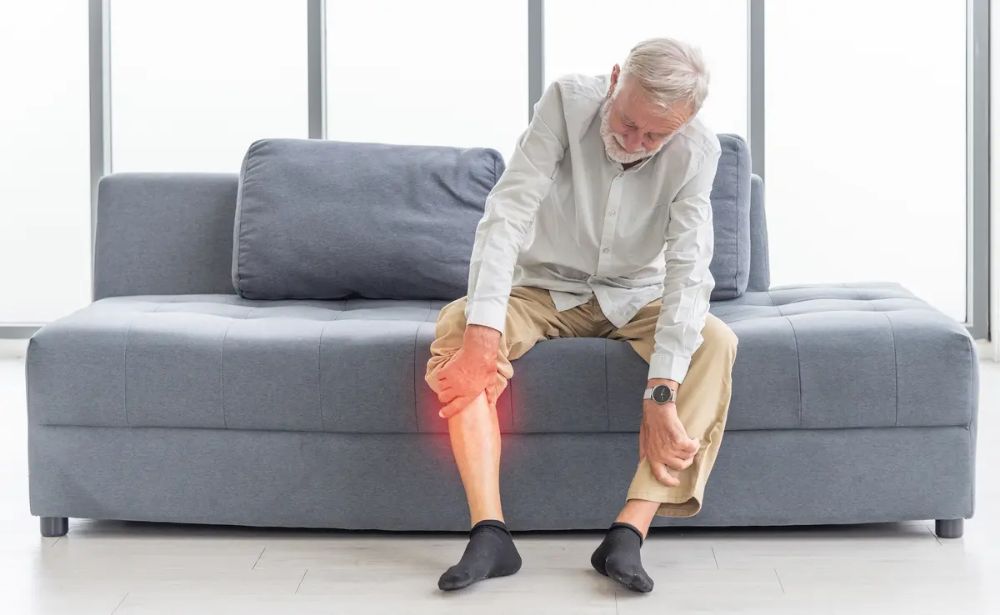
1. Pain location and nature
Leg pain caused by a blood clot, medically known as deep vein thrombosis (DVT), typically presents in a specific pattern. The pain often starts in the calf or thigh and may feel like cramping, soreness, or a persistent ache. Unlike muscle strain, which worsens with movement, DVT-related pain can be constant and may intensify when standing or walking.
The pain is usually localized to one leg and can be accompanied by a feeling of heaviness or tightness. Understanding where the pain is centered and how it behaves can help differentiate a clot from other causes like muscle injury or nerve issues. If the pain is sudden, severe, or accompanied by other symptoms, medical evaluation is essential.
2. Swelling and redness
Swelling is one of the hallmark signs of a blood clot in the leg. It often occurs on the same side as the pain and can involve the entire leg or just part of it, such as the calf. The swelling results from impaired blood flow as the clot blocks normal circulation.
Redness or discoloration may develop over the swollen area, signaling inflammation and increased pressure in the affected veins. The skin might appear shiny or stretched. These signs are important because they distinguish DVT from other causes of leg discomfort that do not involve vascular obstruction.
- Swelling usually develops gradually but can worsen quickly.
- Redness may be patchy or cover a larger area depending on clot size.
- Comparing both legs for differences in size and color can aid in early detection.