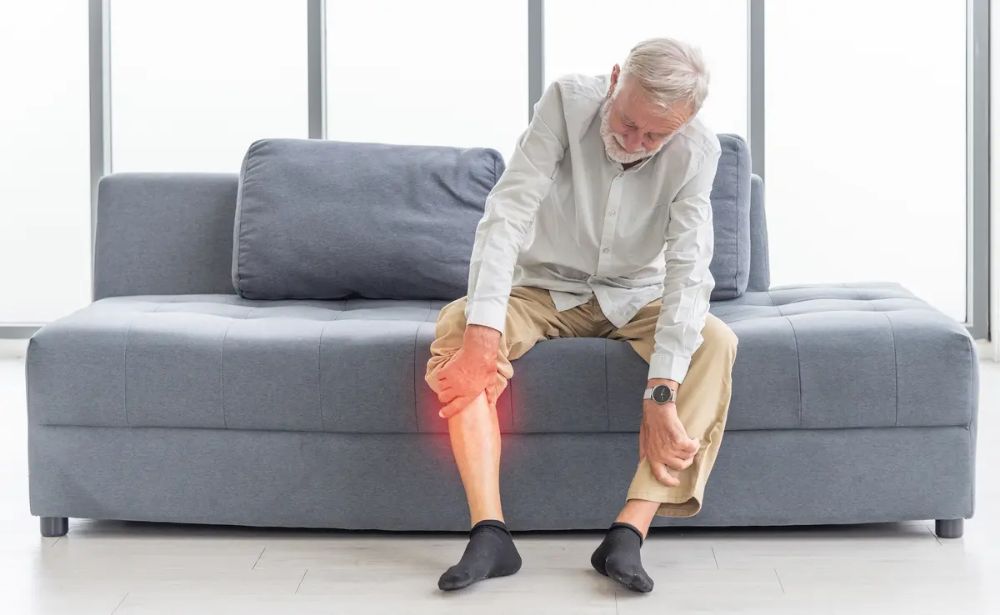
3. Warmth and skin changes
A leg affected by a blood clot often feels warmer than the unaffected side. This warmth is caused by inflammation around the vein and increased blood flow to the area as the body reacts to the clot. Feeling the skin on both legs can reveal temperature differences that may not be obvious visually.
Skin changes can include a reddish or bluish tint, and in some cases, the skin may take on a mottled or blotchy appearance. Prolonged clot presence can lead to chronic skin changes such as thickening or ulceration, especially if left untreated.
4. Risk factors and history
Recognizing risk factors is critical for evaluating leg pain suspicious for a blood clot. Common risk factors include recent surgery, prolonged immobility (such as long flights or bed rest), active cancer, pregnancy, hormone therapy, obesity, and a personal or family history of clotting disorders.
A thorough history should include questions about recent trauma, medication use (especially birth control or hormone replacement therapies), smoking habits, and any previous episodes of DVT or pulmonary embolism. Identifying these factors can guide diagnostic and treatment decisions.
5. Differences between one and two legs affected
Blood clots usually affect one leg, with unilateral symptoms being a key distinguishing feature. If both legs are swollen or painful, other causes such as heart failure, kidney disease, or lymphatic obstruction are more likely.
Unilateral leg pain, swelling, warmth, and redness should prompt consideration of DVT, especially when combined with risk factors. Conversely, bilateral leg symptoms require a broader evaluation and are less typical for isolated clots.