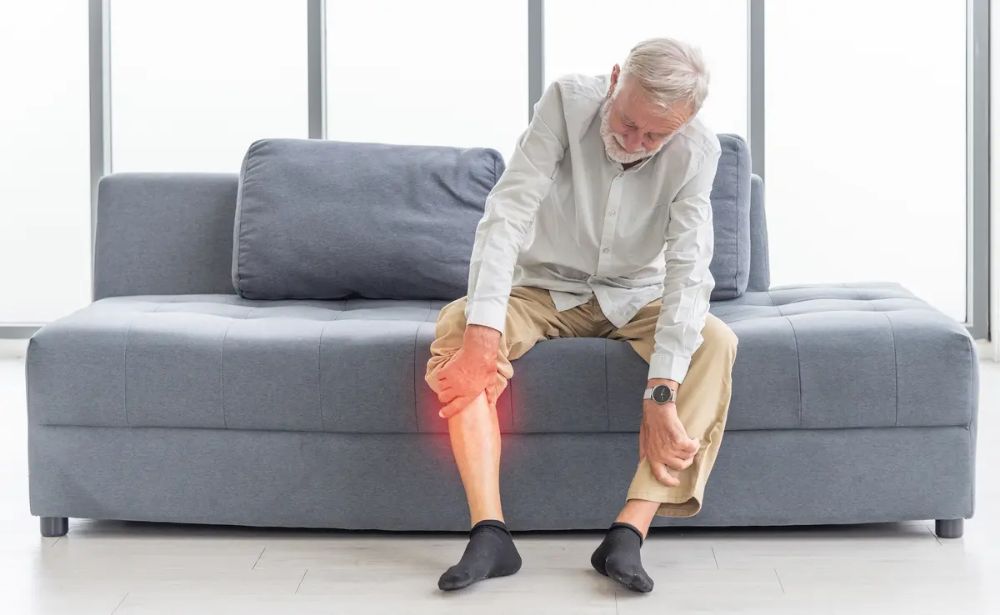
6. Medication side effects
Certain medications can increase the risk of developing blood clots or mimic symptoms similar to DVT. Hormonal therapies, including oral contraceptives and hormone replacement therapy, are known to elevate clot risk by altering coagulation pathways.
Some chemotherapy drugs and corticosteroids may also contribute to clot formation. Additionally, medications that cause fluid retention can worsen leg swelling and discomfort, complicating the clinical picture.
If you experience new leg pain or swelling after starting a medication, inform your healthcare provider to assess whether the drug could be a contributing factor.
7. When to seek emergency care
Immediate medical attention is required if leg pain and swelling are accompanied by signs of a serious complication, such as pulmonary embolism. Symptoms include sudden shortness of breath, chest pain, rapid heart rate, coughing up blood, or fainting.
These signs indicate that a clot may have traveled to the lungs, which is life-threatening. Urgent evaluation in an emergency setting is critical to prevent severe outcomes.
8. Diagnostic tests
Confirming a diagnosis of DVT involves several tests, starting with a physical examination and risk assessment. The most common and non-invasive test is a venous duplex ultrasound, which uses sound waves to visualize blood flow and detect clots in the deep veins.
In cases where ultrasound is inconclusive or clots are suspected in pelvic veins, more advanced imaging such as magnetic resonance venography (MRV) or computed tomography venography (CTV) may be used.
Blood tests like D-dimer can help rule out clots but are not definitive on their own. These tests assist in guiding further diagnostic and treatment steps.