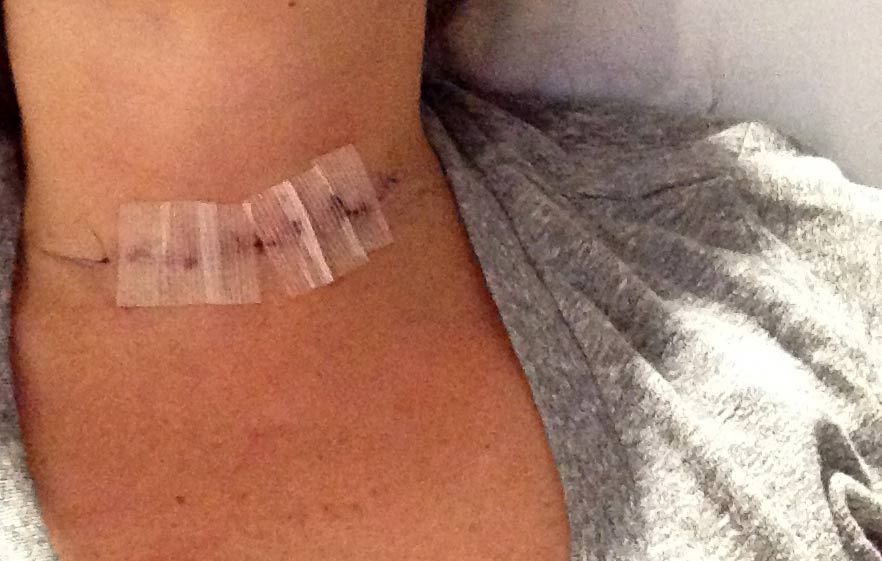
Emergency Note: When to Seek Immediate Medical Attention
If your surgical wound shows sudden swelling, intense pain, fever over 101°F, or pus discharge, seek urgent medical care. These symptoms can signal a serious infection or complication.
Why Surgical Wounds Sometimes Fail to Heal
Many people assume surgical wounds heal on their own without issues, but complications are common and often prevent timely recovery. Understanding what slows healing can help you act early and avoid costly treatments or hospital stays.
The first step is to categorize your wound’s healing status. Ask yourself: Is the wound clean with no swelling or discharge? Or is it showing redness, warmth, or fluid leaking? This basic self-check guides the urgency of care.
Check Your Medicine Cabinet First
Some prescription drugs can delay wound healing significantly. Corticosteroids, blood thinners, and certain chemotherapy agents reduce your body’s ability to repair tissue and fight infection. Always inform your surgeon about all medications you take.
Cost of Delayed Healing
Complications in surgical wounds can increase healthcare costs dramatically. Treating an infected wound can add thousands of dollars in antibiotics, specialist visits, and sometimes additional surgery. Preventing these issues starts with recognizing the risk factors early.
A Simple Framework to Decide When to See a Doctor
Use this quick checklist:
- Is the wound getting bigger or not shrinking within 2 weeks?
- Is there increasing redness, warmth, or pain?
- Is there any foul-smelling or colored discharge?
- Are you running a fever or feeling unwell?
If you answer yes to any, contact your healthcare provider. Early intervention can prevent serious complications.
Surgical wounds require proper care not just immediately after surgery but in the weeks following. Factors like blood flow, nutrition, and controlling chronic diseases like diabetes all play a major role.
Next, you’ll learn about the 10 most common causes of poor surgical wound healing, including some surprising ones that most people overlook.
Here are the 10 hidden causes of delayed wound healing. Number 3 is the one many patients miss — and it can silently sabotage recovery.