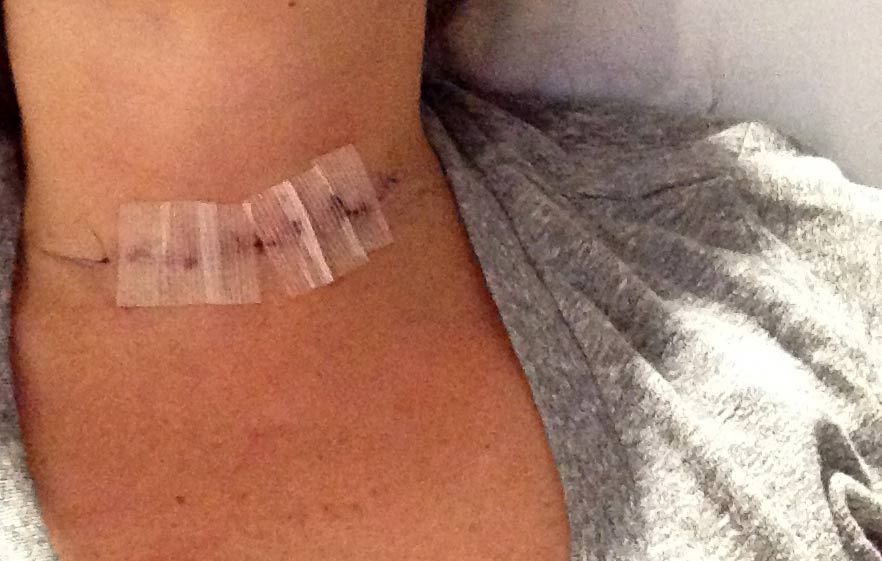
1. Infection Signs
One of the most common and critical reasons a surgical wound fails to heal is infection. When harmful bacteria invade the wound site, they trigger inflammation and tissue damage, which can stall or reverse the healing process. Signs of infection include increased redness, swelling, warmth around the wound, and persistent or worsening pain.
Other indicators to watch for are pus or cloudy drainage, foul odor, and fever. If untreated, infection can lead to serious complications such as abscess formation or systemic spread, requiring more intensive medical intervention.
Early recognition is essential. If you notice any of these symptoms, contact your healthcare provider promptly. They may need to culture the wound and prescribe antibiotics or other treatments.
2. Poor Blood Flow
Proper blood circulation is crucial for wound healing because it delivers oxygen, nutrients, and immune cells to the damaged tissue. Conditions that impair blood flow, such as peripheral artery disease (PAD) or venous insufficiency, significantly delay healing and increase the risk of wound breakdown.
Signs of poor circulation include cool skin around the wound, pale or bluish discoloration, and delayed capillary refill. In some cases, wounds may appear dry and necrotic due to insufficient oxygen delivery.
Improving blood flow often requires managing underlying vascular conditions. Your doctor might recommend lifestyle changes, medications to improve circulation, or specialized treatments like compression therapy or vascular surgery if necessary.