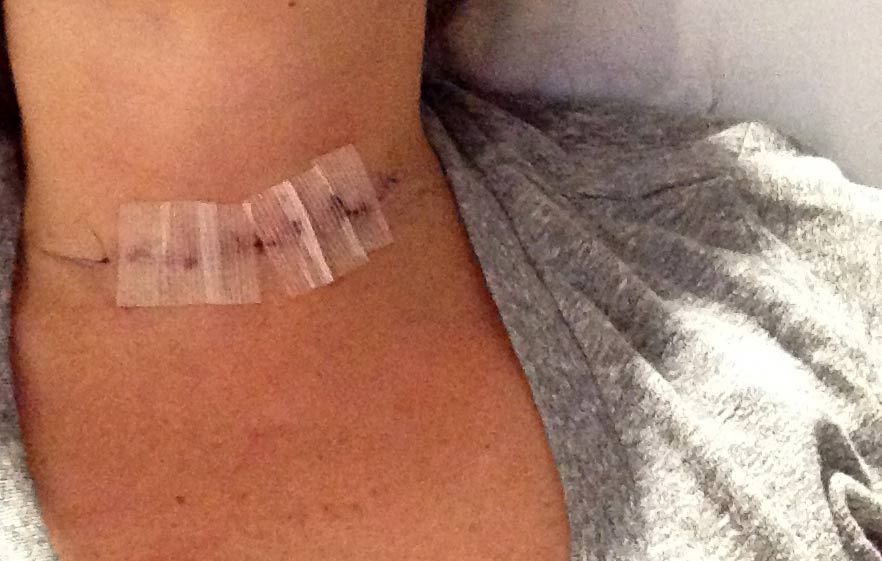
6. Wound Care Mistakes
Improper wound care is a surprisingly common cause of delayed healing. This includes using harsh antiseptics that damage healthy tissue, changing dressings too frequently or too infrequently, and failing to keep the wound clean and moist.
Overzealous cleaning or scrubbing can reopen delicate tissue, while leaving a wound dry or exposed can lead to scab formation and slow epithelial growth. Conversely, overly tight dressings may restrict blood flow.
Following your healthcare provider’s instructions exactly and using recommended wound care products helps create an optimal healing environment.
7. Pressure and Friction
Constant pressure or friction around the surgical site can disrupt healing by damaging new tissue and reducing circulation. This is especially problematic for wounds located near bony prominences or areas subjected to repetitive movement.
Pressure ulcers or skin breakdown from friction are common in bedridden or immobile patients and can complicate surgical wounds.
Using cushions, repositioning regularly, and avoiding tight clothing or gear that rubs against the wound can prevent this issue.
8. Smoking and Healing
Smoking significantly impairs wound healing through multiple mechanisms. Nicotine causes blood vessel constriction, reducing oxygen delivery. Carbon monoxide from smoke binds to hemoglobin, further limiting oxygen transport.
Additionally, smoking impairs immune function and collagen production, increasing infection risk and weakening tissue strength.
Quitting smoking before and after surgery dramatically improves healing outcomes. If you’re struggling to quit, seek support from healthcare professionals who can offer counseling and nicotine replacement therapies.