6. Treatment options
There is no cure for Yellow Nail Syndrome, so treatment focuses on managing symptoms and preventing complications. Because the syndrome affects multiple systems, a coordinated approach is essential.
For nail symptoms: Regular nail care can minimize discomfort and reduce infection risk. Topical treatments to improve nail health may be attempted, though evidence is limited.
For respiratory issues: Management of pleural effusions may involve repeated thoracentesis or placement of a pleural drain. In chronic or severe cases, pleurodesis—a procedure to adhere the lung to the chest wall—may be necessary to prevent fluid reaccumulation. Treatment of infections or bronchitis with appropriate antibiotics is important.
For lymphedema: Compression therapy, including bandaging and stockings, helps reduce swelling. Manual lymphatic drainage performed by trained therapists can improve lymph flow. Elevating the affected limbs and regular exercise also support lymphatic function.
In some instances, systemic therapies such as corticosteroids or immunosuppressants may be trialed if associated autoimmune conditions are present.
7. Complications
Without proper management, Yellow Nail Syndrome can lead to several complications. Persistent pleural effusions may cause respiratory compromise or infections like empyema. Chronic lymphedema increases the risk of skin infections such as cellulitis.
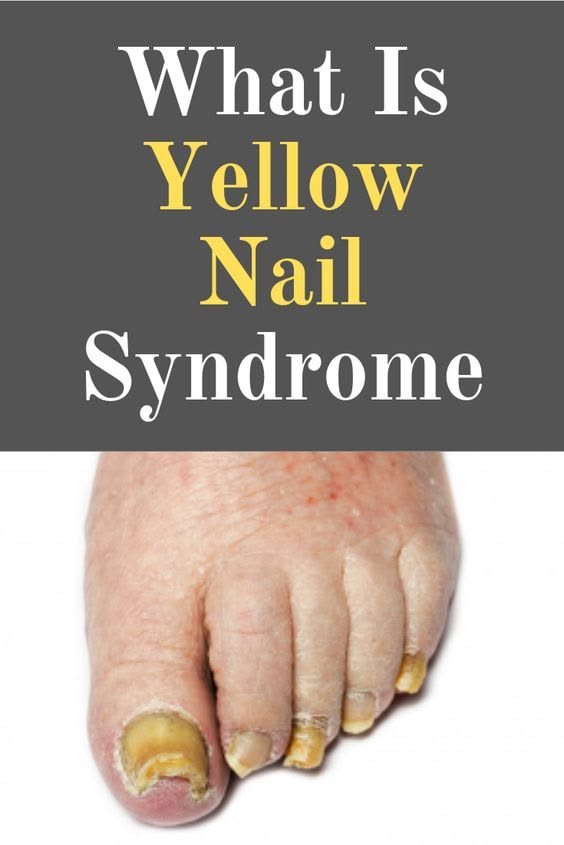
Severe nail dystrophy can result in pain, secondary fungal or bacterial infections, and impair hand or foot function. Psychological distress from visible nail deformities and chronic illness symptoms is also a concern.
Monitoring and addressing these complications early improves overall prognosis and quality of life.
8. When to see a doctor
If you notice persistent yellowing or thickening of your nails along with unexplained swelling in your limbs or ongoing respiratory symptoms such as chronic cough or shortness of breath, it is important to seek medical evaluation promptly. Early diagnosis can facilitate timely interventions to minimize complications.
Consult a healthcare provider if you experience:
- Nail discoloration lasting more than a few weeks not explained by injury or infection.
- Swelling of the feet, ankles, or legs that does not improve with rest.
- Recurrent respiratory infections or unexplained fluid buildup in the chest.
- Any new or worsening symptoms related to breathing or limb swelling.