Emergency Note: Recognize Serious Symptoms Early
If you experience sudden calf pain, swelling, or redness, especially accompanied by shortness of breath or chest pain, seek immediate medical attention. These could be signs of a blood clot or other serious circulatory conditions.
Why Your Calf Muscles Are Critical to Heart Health
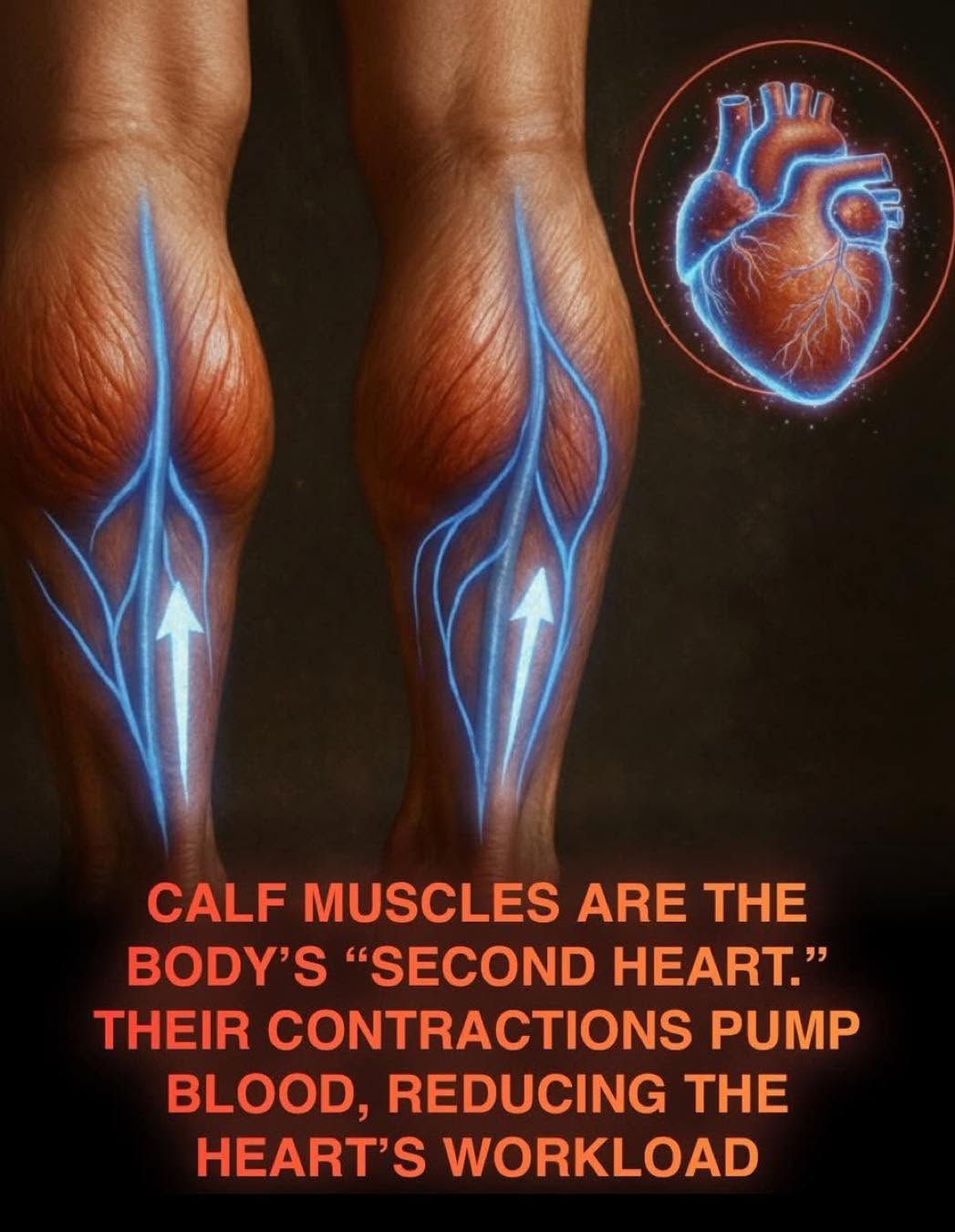
Your calf muscles do much more than just help you walk or stand—they act as a vital pump that assists your heart in circulating blood. Often called the body’s “second heart,” these muscles contract to push blood from the lower legs back toward the heart, overcoming gravity. This function, known as the calf muscle pump, plays a crucial role in maintaining efficient blood flow and reducing strain on the cardiovascular system.
The Calf Muscle Pump: How It Works
Each time you move your calves—whether walking, rising onto your toes, or flexing your ankles—these muscles squeeze the deep veins in your lower legs. This compression propels blood upward, preventing pooling in the legs and promoting venous return to the heart. Proper calf muscle activity lowers the risk of leg swelling, fatigue, and varicose veins, while also supporting overall heart function.
Distinguishing Active vs. Inactive Calf Muscle Function
Understanding whether your calf muscles are engaging enough is key. If you spend long hours sitting or standing still, your calf pump may be weak, allowing blood to pool in your legs. This not only causes discomfort like heaviness or cramps but also increases cardiovascular workload, as the heart must work harder to circulate blood. In contrast, regular calf movement improves circulation and eases this burden.
Check Your Medicine Cabinet: Medications That May Affect Circulation
Some common medications can impact circulation or fluid balance, indirectly affecting calf muscle function. These include certain blood pressure drugs, hormone therapies, and medications that cause fluid retention. If you notice new leg swelling or discomfort after starting a medication, discuss this with your healthcare provider to rule out circulation issues.
Simple Self-Test: Are Your Calves Pumping Effectively?
Try this quick check: while seated or standing, lift your heels off the ground repeatedly, performing calf raises. If you feel pain, excessive fatigue, or numbness, or if swelling worsens afterward, your calf muscle pump may be compromised. These signs warrant further evaluation by a healthcare professional.
Incorporating Calf Movement Into Your Day
Since sedentary behavior weakens calf muscle function, frequent movement is vital. Experts recommend short walking breaks every hour, calf raises at kitchen counters, toe lifts and ankle circles while seated, and gentle heel raises for those with limited mobility. These simple actions stimulate the calf pump, enhancing venous return and reducing cardiovascular strain.
Hydration and Posture Matter Too
Dehydration thickens blood, while poor posture can impair muscle efficiency. Drinking adequate water and maintaining good posture—such as avoiding prolonged leg crossing and using ergonomic seating—support calf muscle function and overall circulation.
When to See a Doctor
If your legs show persistent swelling, heaviness, varicose veins, skin discoloration, tingling, numbness, or coldness, consult a healthcare provider. These symptoms may indicate underlying vascular or circulatory conditions that require professional diagnosis and treatment.
Here are the 10 key factors to safeguard your calf muscle health. Number 3 is the one most people overlook but it directly affects your heart’s workload.