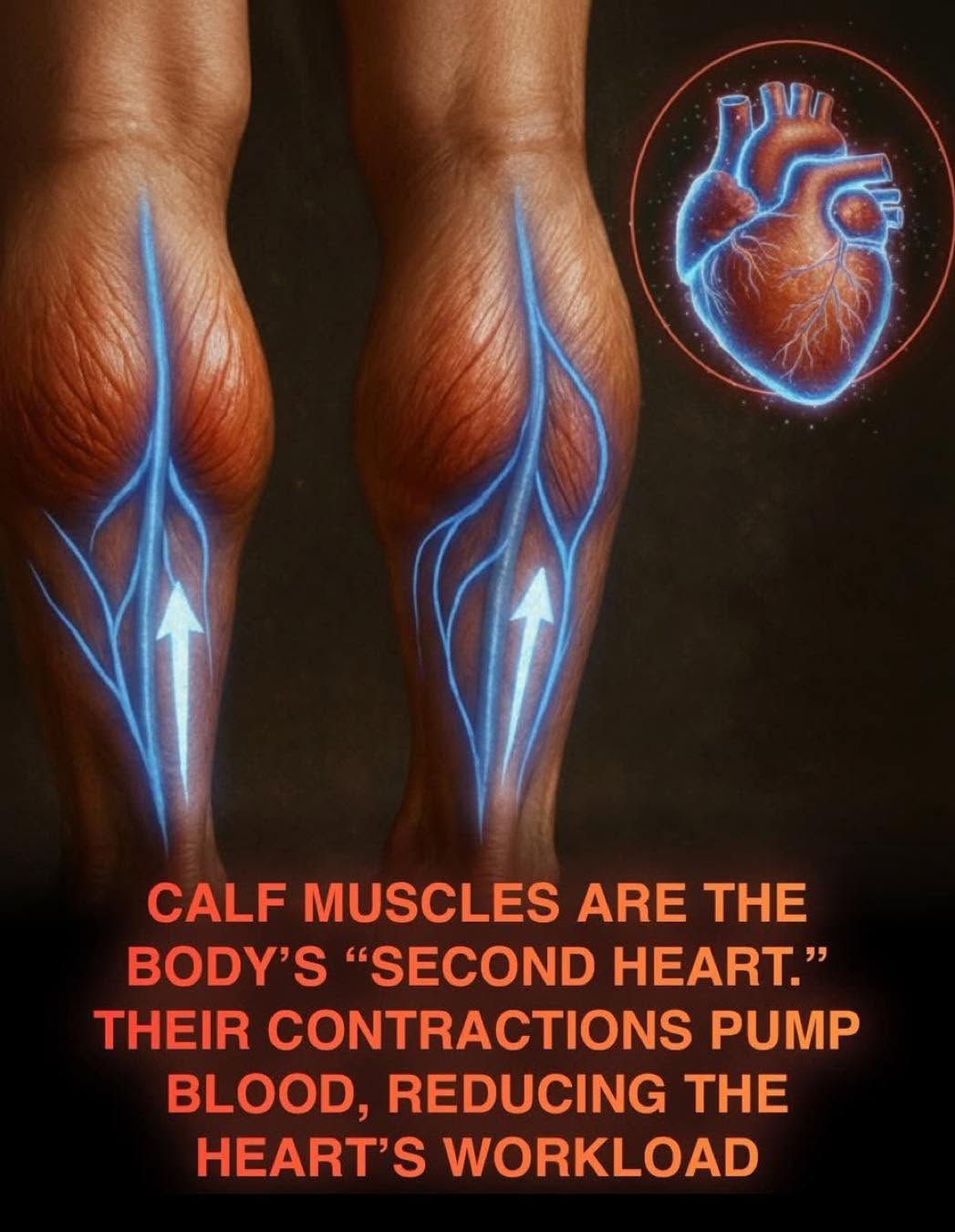
1. How calf muscles support heart function
The calf muscles play a vital role in cardiovascular health by acting as a powerful auxiliary pump that helps return blood to the heart. When these muscles contract—such as during walking, toe raises, or ankle flexion—they squeeze the deep veins in the lower legs. This mechanical action pushes blood upward, counteracting gravity and facilitating venous return.
This calf muscle pump reduces blood pooling in the lower extremities, lowers venous pressure, and decreases the workload on the heart. Efficient function of this pump supports healthy circulation and helps prevent complications like leg swelling, fatigue, and varicose veins. Essentially, the calves assist the heart by maintaining steady blood flow during periods of activity and rest.
Maintaining strong, active calf muscles ensures this circulatory support remains effective. Without regular contraction, blood can stagnate in the lower legs, increasing the risk of venous insufficiency and cardiovascular strain.
2. Effects of inactivity on calf muscle pump
Prolonged inactivity—such as sitting for hours at a desk or standing without movement—significantly impairs the calf muscle pump. When the calves remain inactive, their contractions become infrequent or weak, reducing the efficiency of blood being pushed back toward the heart.
Inactivity causes blood to pool in the lower legs, leading to increased venous pressure and swelling (edema). This not only causes discomfort but also elevates the risk of developing varicose veins, venous ulcers, and deep vein thrombosis (DVT). Over time, the calf muscles may weaken due to disuse, further diminishing their pumping ability.
Common scenarios that impair calf pump function include:
- Long-haul travel or extended car rides
- Desk jobs with minimal leg movement
- Recovery periods after surgery or injury
- Chronic sedentary lifestyles
Regular movement and exercise are essential to counteract these effects and preserve calf muscle strength and heart health.