9. Posture and its impact on calf muscles
Posture plays a significant role in calf muscle function and overall circulation. Poor posture—such as slouching when seated or standing with locked knees—can reduce calf muscle engagement and impair the muscle pump.
Maintaining an upright posture with slight knee flexion encourages regular calf contractions and promotes blood flow. Additionally, shifting weight between feet and avoiding prolonged static positions prevents blood pooling.
Good ergonomic practices include:
- Using chairs that support the lower back
- Keeping feet flat on the floor or a footrest when seated
- Taking regular breaks to stand, stretch, and move
- Engaging core muscles to support proper alignment
These habits help keep calf muscles active and reduce cardiovascular strain.
10. Calf muscle pump and cardiovascular risk
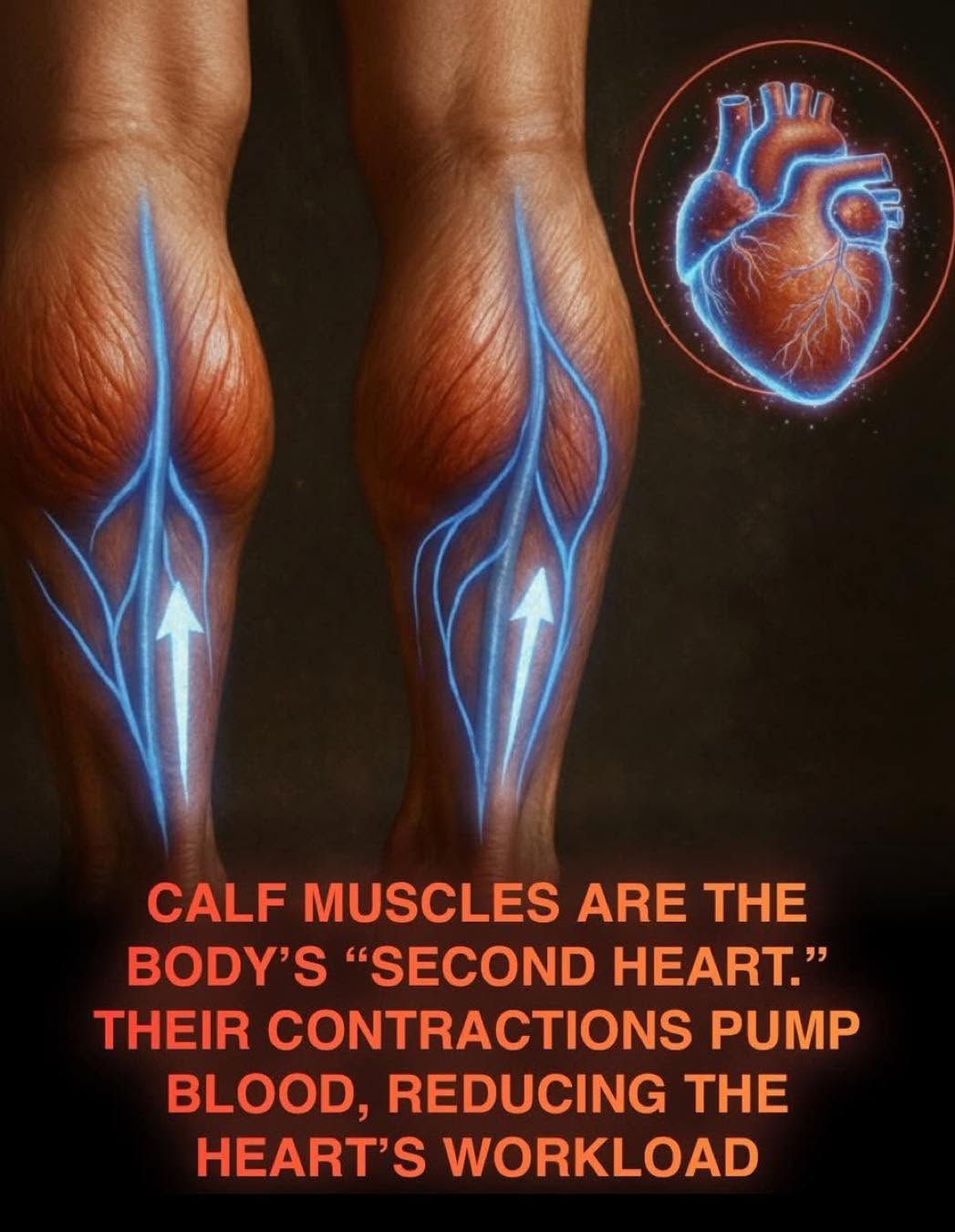
An efficient calf muscle pump lowers cardiovascular risk by ensuring steady venous return and reducing heart workload. When the calf pump works well, it decreases venous pressure, prevents blood clots, and supports healthy blood circulation.
Conversely, impaired calf muscle function can contribute to venous insufficiency and increase the risk of deep vein thrombosis, varicose veins, and chronic swelling. These conditions may exacerbate cardiovascular strain and lead to complications such as pulmonary embolism or heart failure in severe cases.
Strengthening the calf muscles and promoting regular movement are simple yet effective strategies to support heart health and reduce the burden on the cardiovascular system.
Practical Guidance, Conclusion, and Disclaimer
To preserve your calf muscle pump and safeguard heart health, integrate daily movement into your routine. Perform calf raises, ankle rotations, and toe lifts multiple times a day, especially if you have a sedentary job or lifestyle. Stay well-hydrated, maintain good posture, and consider compression socks if recommended by your healthcare provider.
Monitor your legs for signs of impaired circulation and seek medical advice promptly if you experience persistent swelling, pain, or skin changes. Early intervention can prevent serious vascular complications.
Calf muscles are indeed your body’s “second heart.” Keeping them active supports not only your legs but your entire cardiovascular system.
This article is for informational purposes only and does not replace professional medical advice. Consult your healthcare provider with any concerns about your circulation or heart health.