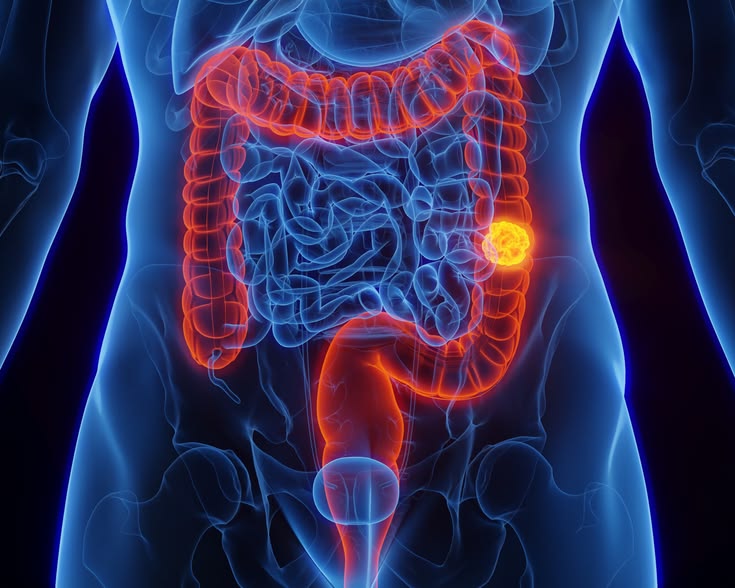
3. Abdominal Pain or Cramps
Persistent or recurrent abdominal pain and cramps can be an early sign of colon cancer. As a tumor grows, it may cause partial obstruction or irritation of the colon wall, leading to discomfort. The pain is often crampy in nature and may be localized or diffuse across the abdomen.
This symptom can be subtle initially, often mistaken for common digestive issues such as irritable bowel syndrome or gastritis. However, pain accompanied by changes in bowel habits or bleeding should be taken seriously.
In some cases, the pain intensifies when the tumor obstructs the bowel, causing bloating, nausea, and severe cramps. Early medical consultation can help differentiate between benign causes and malignancy.
4. Unexplained Weight Loss
Unintentional weight loss without changes in diet or exercise is a concerning symptom that may indicate advanced colon cancer. Tumors can cause systemic effects by consuming the body’s nutrients and triggering metabolic changes that lead to weight loss.
Weight loss in colon cancer patients often occurs alongside other symptoms such as fatigue and decreased appetite. It signals that the cancer may be affecting overall bodily function and warrants immediate medical evaluation.
5. Fatigue and Weakness
Fatigue and generalized weakness are common but nonspecific symptoms that often accompany colon cancer, especially when bleeding leads to anemia. Chronic blood loss from the tumor reduces red blood cell count, impairing oxygen delivery to tissues and causing tiredness.
Patients may notice they feel unusually exhausted even with normal activity levels. If fatigue is persistent and unexplained by other conditions such as sleep disturbance or depression, it should prompt a healthcare visit for further assessment.