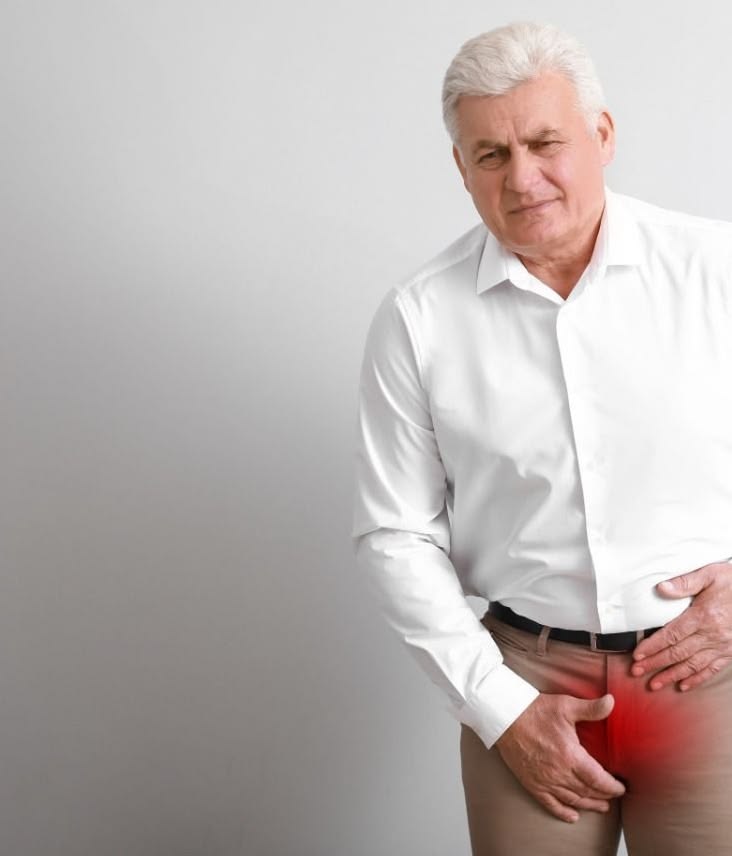
6. Nerve compression
Nerve compression or entrapment syndromes in the groin region can cause persistent, sometimes burning or shooting pain. The ilioinguinal and genitofemoral nerves are common culprits, often compressed due to injury, surgery, or repetitive strain.
Symptoms include localized tenderness, numbness, or tingling radiating down the inner thigh or scrotum. Diagnosis requires careful neurological examination and may include nerve conduction studies or imaging to exclude other causes.
Treatment options include physical therapy, nerve blocks, and in refractory cases, surgical decompression. Early intervention can prevent chronic neuropathic pain, which is challenging to treat and impacts quality of life.
7. Testicular conditions
Testicular causes of groin pain range from infections like epididymitis to more serious conditions such as testicular torsion or tumors. Epididymitis typically presents with gradual onset pain, swelling, and sometimes fever, often linked to urinary tract infections or sexually transmitted infections.
Testicular torsion, a surgical emergency, features sudden, severe pain and swelling due to twisting of the spermatic cord, cutting off blood supply. Prompt diagnosis and surgery within six hours are critical to save the testicle.
Any testicular mass or persistent pain warrants urgent evaluation by a urologist. Ultrasound imaging is the primary diagnostic tool.
8. Vascular problems
Vascular issues such as varicoceles, thrombosis, or peripheral artery disease can cause groin pain. Varicoceles are enlarged veins in the scrotum that may produce a dull ache, especially after prolonged standing or physical exertion.
Deep vein thrombosis (DVT) in the pelvic veins can manifest as groin pain with swelling and warmth, representing a medical emergency due to the risk of pulmonary embolism.
Peripheral artery disease can cause cramping pain in the hips and groin during walking, known as claudication, signaling significant vascular compromise that requires vascular specialist assessment.