3. Heart rate changes
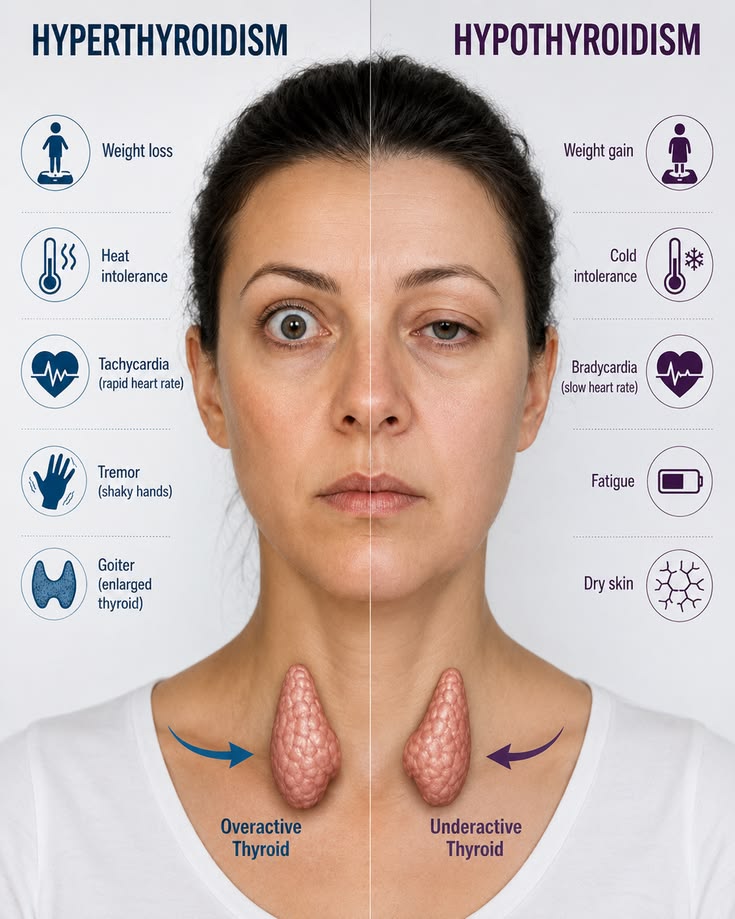
The thyroid hormone profoundly affects cardiovascular function. In hyperthyroidism, elevated hormone levels often cause tachycardia, a rapid resting heart rate exceeding 100 beats per minute. This can present as palpitations, a pounding sensation in the chest, or an irregular heartbeat.
Hypothyroidism produces the opposite effect, with bradycardia, or a slow heart rate below 60 beats per minute. This can cause fatigue, dizziness, or fainting spells in some cases.
Monitoring your heart rate and rhythm is critical, as untreated thyroid disorders can increase the risk of arrhythmias or other cardiac complications. If you notice persistent changes in heart rate or palpitations, especially when coupled with other thyroid symptoms, seek evaluation promptly.
4. Tremors or stiffness
Tremors, typically fine shaking of the hands, are more common in hyperthyroidism due to increased nervous system stimulation. These tremors often worsen with stress or activity and can interfere with daily tasks.
On the other hand, hypothyroidism can cause muscle stiffness and cramps due to slowed muscle metabolism and fluid retention in tissues. This stiffness may lead to reduced mobility or discomfort during movement.
If you experience new or worsening tremors or stiffness, especially alongside other thyroid-related symptoms, a neurological and endocrine assessment is advisable.
5. Thyroid enlargement
An enlarged thyroid gland, known as a goiter, can occur with both hyperthyroidism and hypothyroidism. It may appear as a visible swelling or fullness in the front of the neck and can sometimes cause difficulty swallowing or a sensation of tightness.
The goiter forms due to thyroid tissue growth stimulated by abnormal hormone production or autoimmune inflammation, such as in Graves’ disease or Hashimoto’s thyroiditis. The size and texture of the thyroid may provide clues to the underlying condition but require ultrasound imaging and blood tests for accurate diagnosis.
Any noticeable neck swelling should be evaluated by a healthcare professional to rule out thyroid nodules or malignancy and to guide appropriate treatment.