3. Shortness of breath
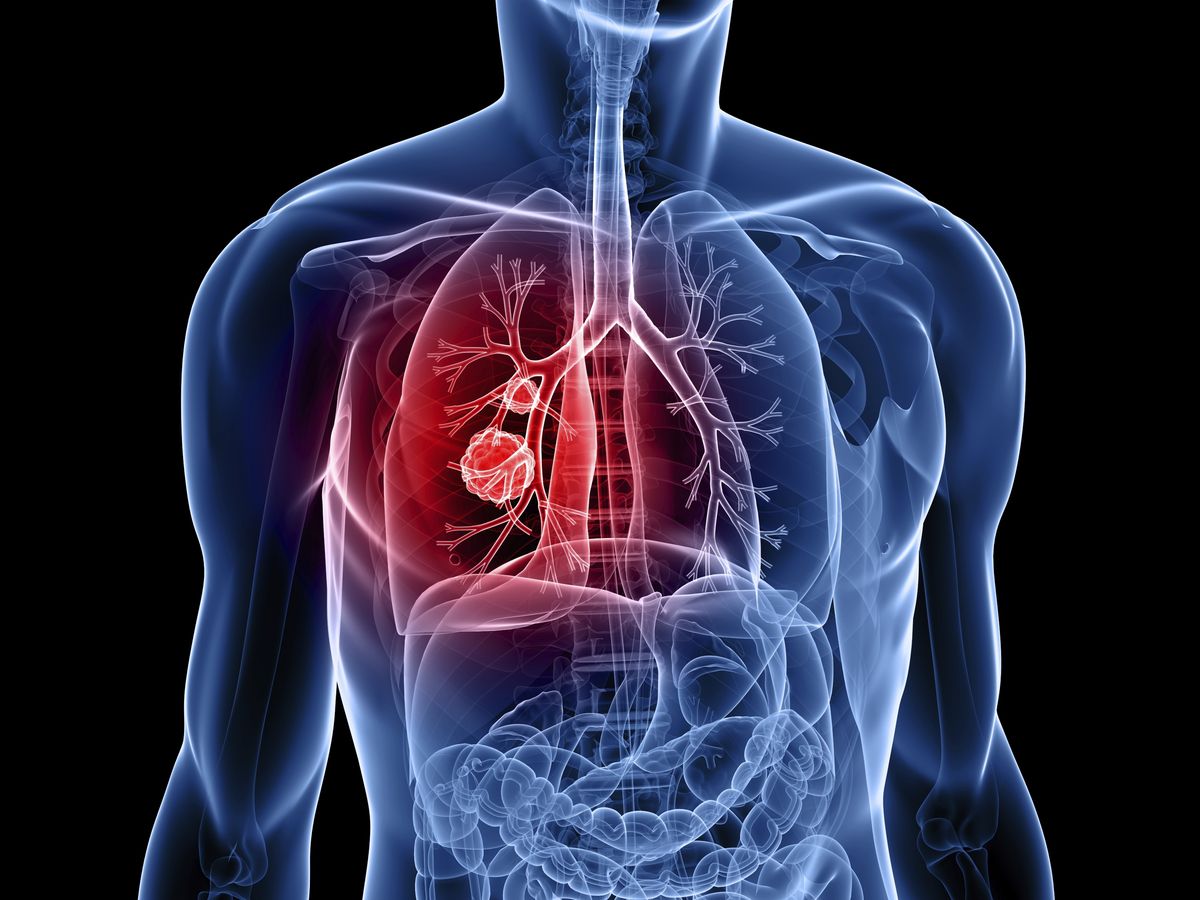
Shortness of breath, or dyspnea, can occur when a lung tumor obstructs airways or causes fluid to accumulate around the lungs, known as a pleural effusion. This reduces lung capacity and oxygen exchange, making breathing difficult.
Patients may notice they become unusually winded during routine activities such as climbing stairs or walking short distances. Early detection of lung cancer-related shortness of breath is important because it often signals tumor growth affecting lung function.
Evaluation typically involves lung function tests along with imaging to identify blockages, effusions, or other changes caused by the tumor.
4. Unexplained weight loss
Significant, unintended weight loss is a red flag for many cancers, including lung cancer. Tumors can alter metabolism and appetite, leading to rapid loss of muscle and fat. This is often accompanied by night sweats, fever, or fatigue.
Because weight loss can result from many causes, it is important to consider lung cancer especially when combined with respiratory symptoms in high-risk individuals.
5. Coughing up blood
Hemoptysis, or coughing up blood, is a serious symptom that requires immediate medical attention. It can occur when a tumor erodes blood vessels in the lungs or airways, causing bleeding.
Even small amounts of blood in sputum should never be ignored. Urgent evaluation with imaging and possibly bronchoscopy is needed to determine the source and initiate prompt treatment.
- Bright red blood or blood clots in sputum
- Associated with persistent cough or chest pain
- May signal advanced or invasive tumor
Any hemoptysis warrants urgent medical assessment to rule out lung cancer or other serious conditions such as tuberculosis or pulmonary embolism.