3. Wheezing
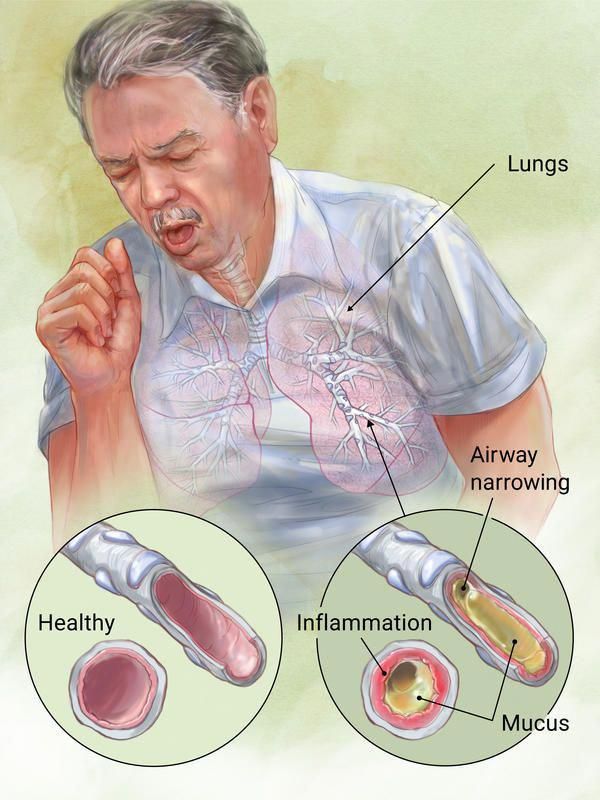
Wheezing is a high-pitched, whistling sound that occurs when narrowed airways cause turbulent airflow during breathing. It is a hallmark symptom of airway obstruction and inflammation, commonly seen in asthma and COPD.
Wheezing may be intermittent or persistent and can vary in intensity. It is often more noticeable during exhalation but can also occur when inhaling. Listen for this sound especially during episodes of coughing or shortness of breath.
Persistent wheezing warrants a medical evaluation to identify the underlying cause. Treatments like inhaled corticosteroids or bronchodilators can reduce airway inflammation and improve airflow, relieving wheezing symptoms.
4. Chest tightness
Chest tightness feels like a constricting pressure or squeezing sensation in the chest. This symptom often accompanies airway narrowing because your respiratory muscles and lungs are working harder to move air through constricted passages.
Chest tightness may worsen with physical exertion, exposure to irritants, or during asthma attacks. It is important not to ignore this symptom, especially if it recurs or intensifies, as it can signal worsening airway inflammation or bronchospasm.
If chest tightness is severe or accompanied by other signs like fainting or severe shortness of breath, immediate medical attention is necessary.
5. Increased mucus production
When airways narrow due to inflammation or irritation, mucus-producing cells ramp up secretion. This excess mucus can clog the already narrowed passages, further restricting airflow and triggering coughing to clear the buildup.
Increased mucus may be thick, sticky, and discolored, especially if infection is present. Chronic bronchitis, a form of COPD, is characterized by this symptom, often described as a “smoker’s cough.”
Managing increased mucus involves addressing the underlying inflammation and infection if present. Hydration, airway clearance techniques, and medications like mucolytics or inhaled steroids can be helpful under medical supervision.