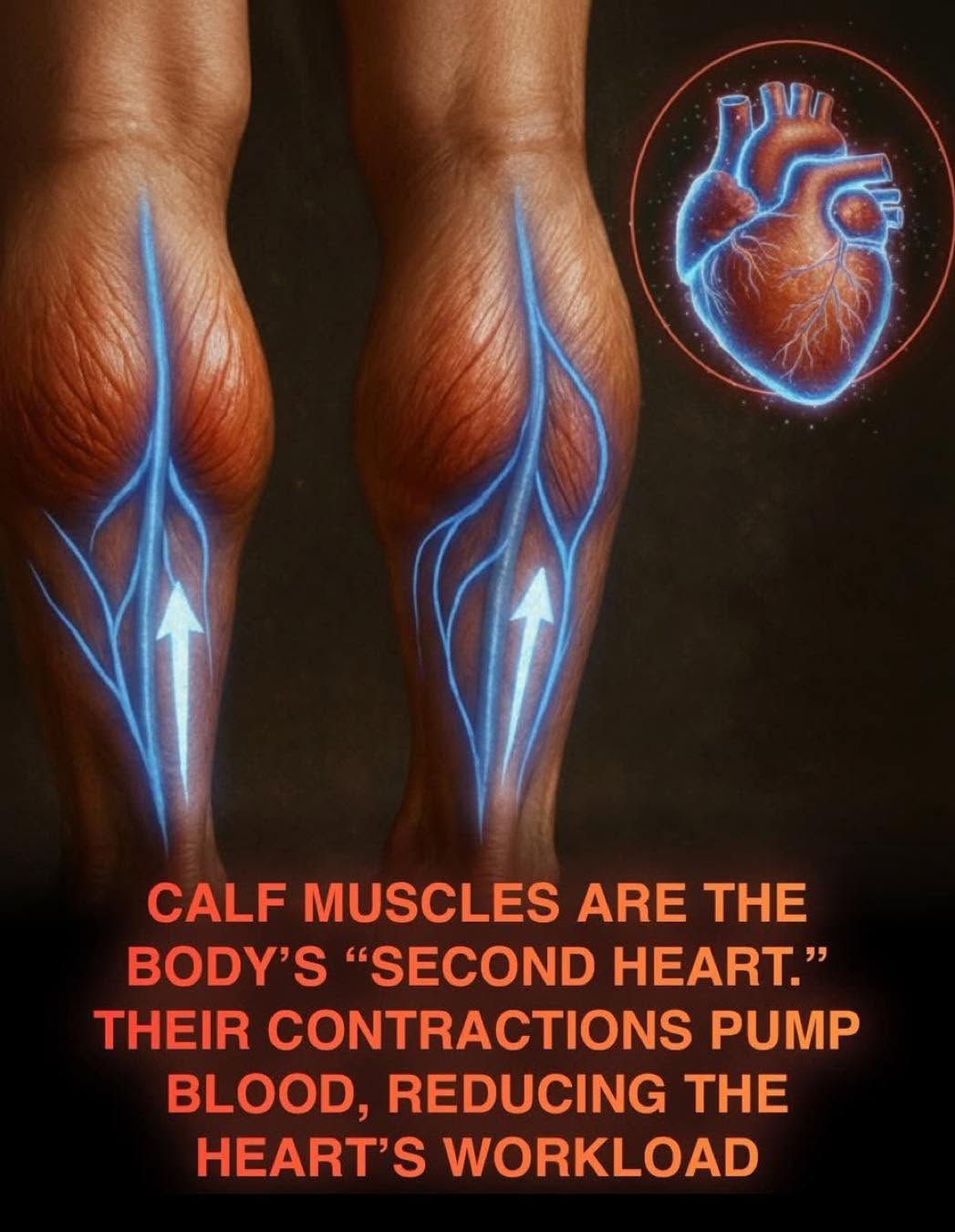
3. Signs of impaired calf circulation
Recognizing symptoms of poor calf circulation can help identify when the muscle pump is not functioning properly. Key signs include:
- Leg swelling: Persistent or worsening edema, especially around the ankles.
- Heaviness or fatigue: A feeling of tiredness or heaviness in the calves after standing or walking.
- Varicose veins: Enlarged, twisted veins visible beneath the skin surface.
- Cramping or pain: Discomfort or aching in the calves, particularly during activity.
- Skin changes: Discoloration, dryness, or ulcers on the lower legs.
- Tingling or numbness: Sensations that suggest nerve or vascular compromise.
If you notice any of these symptoms, it may indicate impaired venous return or vascular conditions requiring attention.
4. Daily calf-strengthening exercises
Incorporating simple, regular exercises to strengthen the calf muscles can significantly improve their pumping efficiency and support heart health. These exercises can be done anywhere and require no special equipment:
- Calf raises: Stand with feet hip-width apart and slowly lift your heels off the ground, rising onto your toes. Hold briefly, then lower back down. Repeat 10-15 times.
- Toe lifts: While seated or standing, lift your toes upward while keeping your heels on the floor. Repeat 10-15 times.
- Ankle circles: Rotate your ankles clockwise and counterclockwise to promote joint mobility and blood flow.
- Seated heel raises: For those with limited mobility, sit and lift your heels off the floor while keeping toes down. Repeat 10-15 times.
Performing these exercises multiple times daily, especially if you have a sedentary lifestyle, helps maintain calf muscle tone and promotes venous return.
5. Role of hydration in muscle function
Proper hydration is critical for optimal muscle function, including the calf muscles. Water maintains electrolyte balance, supports muscle contraction, and prevents cramps and fatigue. Dehydration can impair muscle strength and reduce the effectiveness of the calf muscle pump.
When dehydrated, blood volume decreases, which can lead to thicker blood and increased risk of circulation problems. Staying adequately hydrated throughout the day helps keep blood flowing smoothly and muscles performing efficiently.
For most adults, drinking at least 8 cups (about 2 liters) of water daily is recommended, though individual needs vary based on activity level, climate, and health status.