6. Compression socks: benefits and limits
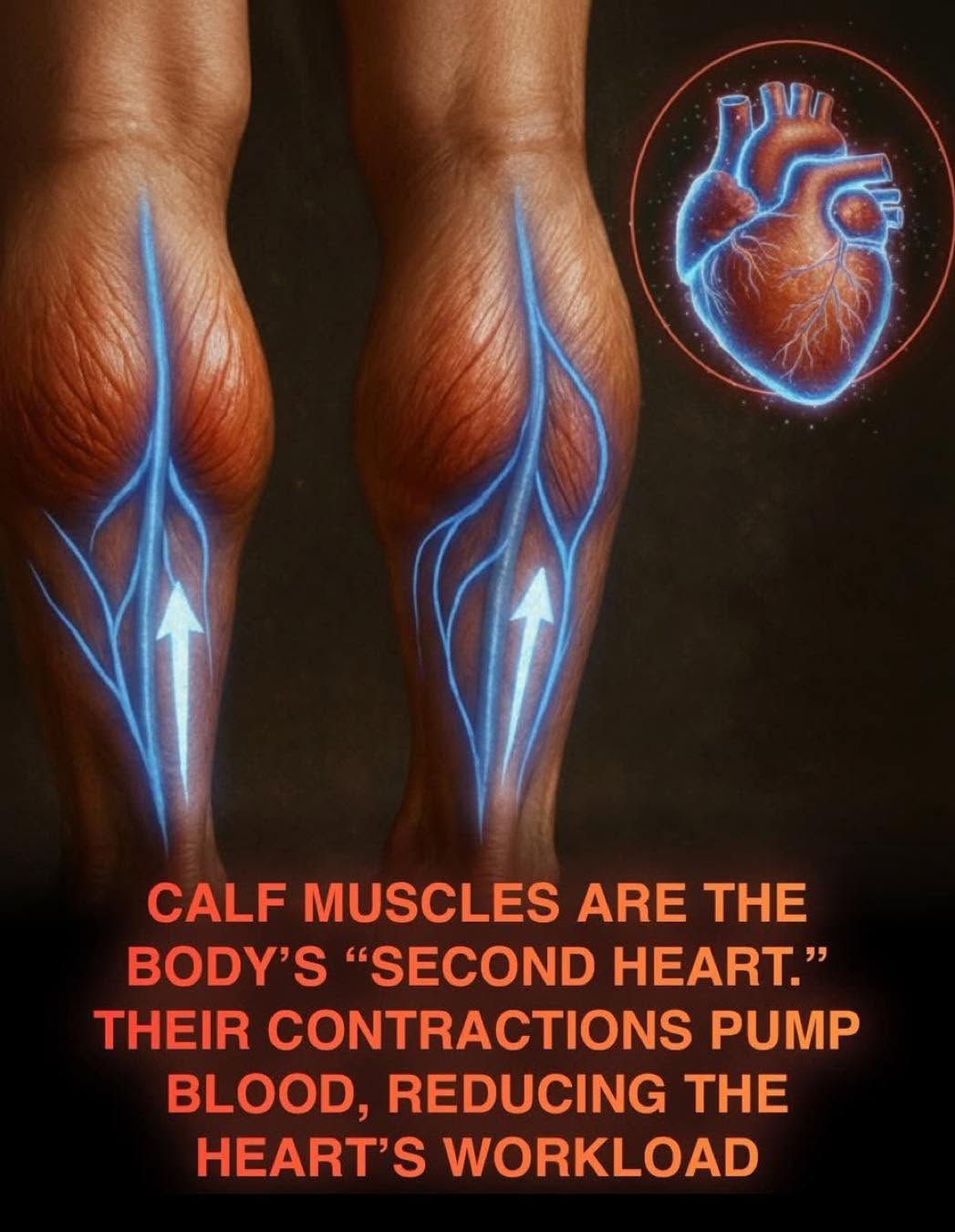
Compression socks are specialized hosiery designed to apply graduated pressure to the lower legs, improving venous return and reducing swelling. By compressing the calf and ankle areas, these socks help support the calf muscle pump function and prevent blood pooling.
Benefits of compression socks include:
- Reducing leg swelling and discomfort
- Improving symptoms of chronic venous insufficiency
- Supporting circulation during prolonged standing or travel
- Lowering the risk of deep vein thrombosis in at-risk individuals
However, compression socks are not a replacement for regular calf muscle activity. They provide external support but do not strengthen muscles. Additionally, not all compression levels are suitable for everyone; improper use can cause discomfort or worsen certain conditions such as peripheral arterial disease.
Consult a healthcare provider to determine if compression socks are appropriate for your situation and which level of compression to use.
7. Medical conditions linked to poor calf circulation
Poor calf circulation can be a symptom or contributor to several medical conditions, including:
- Chronic venous insufficiency (CVI): Vein valves fail to prevent blood backflow, leading to pooling and swelling.
- Peripheral artery disease (PAD): Narrowed arteries reduce blood flow to the legs, causing pain and cramps.
- Deep vein thrombosis (DVT): Blood clots form in deep veins, requiring urgent medical intervention.
- Varicose veins: Enlarged, twisted veins resulting from valve failure and poor circulation.
- Diabetic neuropathy: Nerve damage impairs sensation and circulation in the legs.
Early detection and management of these conditions are essential to prevent complications such as ulcers, infections, or cardiovascular events.
8. When to seek medical advice
Consult a healthcare professional if you experience:
- Persistent leg swelling or heaviness that does not improve with rest
- Sudden onset of calf pain, warmth, redness, or tenderness (possible DVT)
- Visible varicose veins accompanied by pain or skin changes
- Tingling, numbness, or coldness in the lower legs or feet
- Non-healing wounds or ulcers on the legs
- Signs of infection such as redness, warmth, or fever
Early evaluation allows for diagnosis and treatment options such as vascular imaging, medication, or specialized therapies.